2026 Best Cabinet Wallpaper Types for Global Buyers
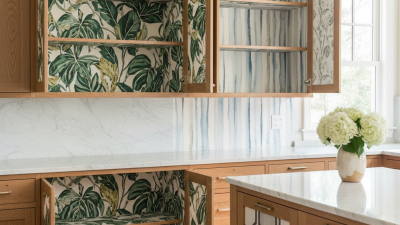
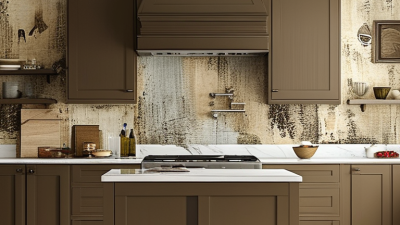
Choosing the right Cabinet Wallpaper in 2026 requires more than matching colors to a kitchen mood. Global buyers must consider humidity, cabinet material, cleaning habits, shipping conditions, and local product standards. A warm oak-effect paper may look elegant in a dry apartment, yet struggle near a busy sink. Humid regions often need moisture-resistant vinyl or coated wallpaper. For bedrooms and low-contact furniture, nonwoven or peel-and-stick options may offer easier installation.
Interior designer Joanna Gaines once said, “A home should tell the story of who you are and be a collection of what you love.” Her principle suits cabinet design, where small surfaces can express personality without replacing an entire kitchen. Still, beauty cannot replace performance. Buyers should inspect adhesive quality, backing thickness, colorfastness, removability, and compatibility with painted, laminated, or unfinished cabinets. A sample should stay on the door for several days. Watch the edges.
There is no universal winner.
This guide compares the most practical Cabinet Wallpaper types for international projects, including vinyl, nonwoven, peel-and-stick, textured, woodgrain, and washable finishes. It also considers installation skill, maintenance, climate, packaging, and long-term value. Some recommendations may remain imperfect. Adhesive technology changes, and supplier claims are not always equally detailed. Product testing, clear technical sheets, and verified customer feedback remain essential. A beautiful roll can still disappoint when its pattern repeats awkwardly or its adhesive fails on a glossy surface. Careful selection creates better results, fewer replacements, and cabinets that feel intentionally designed rather than temporarily covered.
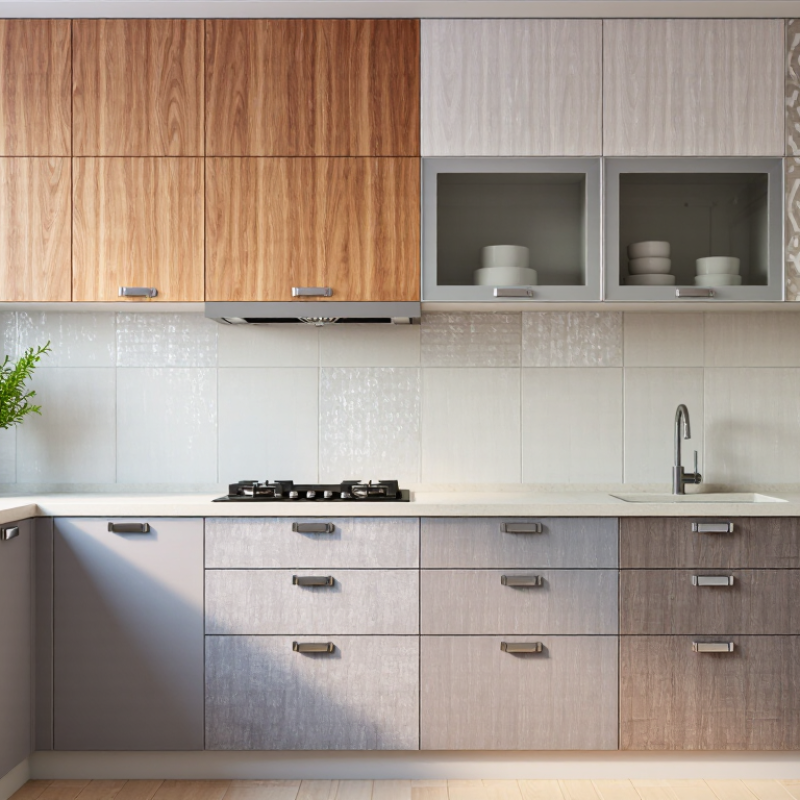
What Cabinet Wallpaper Is and How It Differs from Other Cabinet Finishes
Cabinet wallpaper is a thin decorative covering applied over a prepared cabinet surface. It usually combines a printed design layer with a flexible protective film and pressure-sensitive adhesive. Unlike ordinary wall wallpaper, it must tolerate frequent touching, light cleaning, and repeated opening of doors. The base must be smooth, dry, degreased, and firmly attached. Small flaws can remain visible through the film.
The main difference is how each finish is made and repaired. Paint forms a liquid coating that can be sanded and recoated. Laminate uses a harder layered sheet, often bonded under pressure. Veneer uses a thin slice of natural wood, so grain variation is expected. Thermofoil is factory-wrapped plastic, commonly formed around cabinet edges. Cabinet wallpaper is usually thinner and easier to change, but its seams, corners, and adhesive deserve closer attention.
In practical installation work, edge failure is the first warning sign. Warm kitchens, steam, and rough handles can test weak bonding quickly. A careful buyer should check film thickness, adhesive performance, cleaning instructions, and compatibility with the cabinet material. Climate matters too; high humidity may expose poor preparation sooner. It is not magic. A convincing wood pattern may still feel less deep than real veneer. I have also seen attractive films applied too quickly, leaving bubbles beneath the surface. That mistake is avoidable, but not always reversible.
2026 Best Cabinet Wallpaper Types for Global Buyers
What Cabinet Wallpaper Is and How It Differs from Other Cabinet Finishes
How to read this chart: The scores use a relative 1–5 scale based on the typical material properties of commonly used cabinet coverings. Higher scores indicate better expected performance for routine moisture exposure and cleaning.
Vinyl-based cabinet wallpaper generally offers better moisture resistance and cleanability than paper wallpaper. Non-woven wallpaper is dimensionally stable and easy to handle, while paper wallpaper is more vulnerable to water and abrasion. Compared with paint, laminate, and thermofoil, cabinet wallpaper is a decorative surface covering rather than a factory-formed cabinet finish; seam quality, edge sealing, adhesive selection, and surface preparation are therefore especially important.
Scores are comparative material guidance, not laboratory test results or brand performance data. Actual results vary with substrate, adhesive, installation quality, temperature, humidity, and cleaning chemicals.
Key Cabinet Wallpaper Types and Their Material Characteristics
Cabinet wallpaper is now available in several practical material types, and each suits a different working environment. PVC vinyl film is widely used because it resists splashes, stains, and daily wiping. Its slightly flexible surface can cover shallow cabinet curves without cracking. However, cheap vinyl may shrink near ovens or strong sunlight.
Paper-backed wallpaper offers a warmer texture and simpler cutting experience. It works best on dry, smooth cabinet doors with limited handling. Moisture can soften its backing, especially around sinks. I would not treat it as a universal kitchen solution. That assumption often causes early lifting at the edges.
PET and polyester films provide a more stable option for busy kitchens and commercial interiors. They usually have good dimensional stability, clear surface detail, and better resistance to abrasion. Peel-and-stick versions save installation time, but adhesive performance depends on temperature, dust, and cabinet coating. Natural-fiber finishes create a softer visual effect, yet they may need protective sealing and careful cleaning. Before ordering, global buyers should request material data, adhesive information, VOC details, and fire-test documentation where local regulations require them. Always test a sample for 48 hours. I have seen attractive finishes fail because the cabinet surface was waxed or uneven. Small preparation errors matter.
How to Compare Durability, Moisture Resistance, and Maintenance Needs
For global buyers, cabinet wallpaper should be judged beyond color and pattern. Durability depends on the surface film, adhesive quality, and cabinet preparation. A textured vinyl finish usually handles daily contact better than thin paper. However, thicker material does not always mean better performance.
Moisture resistance matters near sinks, dishwashers, and coastal kitchens. Test a sample with warm water, then leave it wet for ten minutes. Check for bubbling, edge lifting, or color transfer. Sealed edges are essential because moisture often enters from corners first. In humid regions, choose a washable surface with stable adhesive performance. Avoid placing wallpaper over damp, dusty, or greasy panels.
Maintenance needs should match the cabinet’s location. A smooth finish allows quick cleaning with a soft cloth and diluted mild soap. Deep textures can trap cooking oil and require more careful wiping. Do not use abrasive pads, strong solvents, or excessive water. From practical installation checks, small surface defects become visible after application. I once underestimated a slightly uneven panel; the final result looked acceptable, but sunlight revealed every ridge. Buyers should inspect samples under kitchen lighting and test removal from a hidden area. Some wallpapers clean well but peel during replacement, which is an inconvenient trade-off.
Choosing Cabinet Wallpaper by Room, Cabinet Surface, and Climate
2026 Best Cabinet Wallpaper Types for Global Buyers
Choosing Cabinet Wallpaper by Room, Cabinet Surface, and Climate
Cabinet wallpaper should match the room before it matches a photo. In kitchens, wipeable vinyl or PVC-coated sheets handle oil splashes and frequent cleaning better than ordinary paper. Bathrooms need moisture-resistant materials with sealed edges. In bedrooms, fabric-look or matte finishes can create warmth without demanding heavy cleaning. Small spaces benefit from light colors, but glossy surfaces may show fingerprints quickly.
The cabinet surface matters just as much. Smooth laminate, sealed wood, and painted MDF usually offer better adhesion after degreasing and light sanding. Unsealed wood can absorb adhesive unevenly. Metal cabinets may need a compatible primer, especially near humid windows. Measure around handles and hinges carefully. Tiny gaps become obvious.
Climate changes the installation risk. In tropical regions, high humidity can weaken edges and encourage lifting, so flexible waterproof film and strong edge sealing are practical choices. Dry, cold climates may cause some materials to shrink slightly. Leave the recommended expansion allowance. For hot kitchens, avoid placing heat-sensitive wallpaper beside ovens without a protective barrier.
I learned that a sample can still mislead. A sheet looked perfect indoors but shifted color under strong daylight. Test samples on the actual cabinet for several days. Check odor, cleaning resistance, adhesion, and removal damage. Follow the material instructions, because “universal” wallpaper rarely performs universally.
Global Buying Factors: Safety Standards, Sizing, Costs, and Installation
For global buyers, cabinet wallpaper should match the room’s risk level, not only its pattern. Vinyl-coated sheets resist splashes and frequent wiping. PET-based films offer thinner, more stable surfaces for flat doors. Paper-backed wallpaper feels warmer, but it needs careful sealing near sinks. Grand View Research projects the global wallpaper market to grow at about 4.8% annually through 2030. This growth does not guarantee cabinet suitability. Product testing still matters more than fashion.
Check compliance documents before ordering. EN 15102 covers decorative wallcoverings, while EN 13501-1 classifies fire performance in European markets. In North America, buyers should request applicable ASTM test results and information on chemical emissions. Low-VOC claims need evidence, not attractive wording. Measure every door separately, including edge returns and handle cutouts. Add 5% to 10% for pattern matching and cutting errors. Small mistakes become expensive quickly.
Material cost often ranges from roughly 2 to 10 US dollars per square foot, excluding labor, based on regional retail surveys and installer quotations. Installation can exceed the material price when doors require sanding, degreasing, priming, and removal. A clean sample test is essential. Leave it beside the cooker for several days. I have seen “washable” finishes soften at warm edges. That result deserves more questions, not a rushed purchase. EPA indoor-air guidance also supports choosing tested, low-emitting materials for enclosed interiors. Safety data, moisture resistance, dimensions, and replacement availability should travel with every shipment.