China Best Removable Wallpaper Manufacturers and Suppliers
Choosing the right China Best Removable Wallpaper Manufacturers and Suppliers requires more than comparing prices. Buyers need dependable materials, accurate printing, stable adhesive performance, and responsive communication. Removable Wallpaper should peel away cleanly without damaging painted walls. That promise needs testing, not attractive product photos.
Elizabeth Rees, co-founder of Chasing Paper, has described removable wallpaper as “a low-commitment way to make a high-impact change.” Her comment reflects the category’s appeal. A small bedroom can gain soft botanical patterns, while a retail counter can use bold geometric panels. The visual change is immediate. The installation is usually practical.
Reliable Chinese manufacturers should provide clear technical information. Ask about substrate type, adhesive composition, roll dimensions, color tolerances, and recommended wall conditions. Request samples before placing a large order. Test one panel on a clean, dry surface for several days. Check edge lifting, bubbles, color consistency, and removal marks. These details often reveal more than a polished catalog.
Strong suppliers also explain production capacity, packaging methods, inspection procedures, and export experience. Certifications and laboratory reports can support trust, but buyers should verify their scope and validity. A supplier’s product may perform well in one climate and poorly in another. That is an uncomfortable possibility, but it deserves attention.
This guide examines leading China Removable Wallpaper manufacturers and suppliers through product quality, customization, service, and reliability. Some companies may offer excellent designs but weaker after-sales support. Others may communicate well yet lack consistent batch control. Careful comparison remains essential.
Types of Removable Wallpaper Made in China
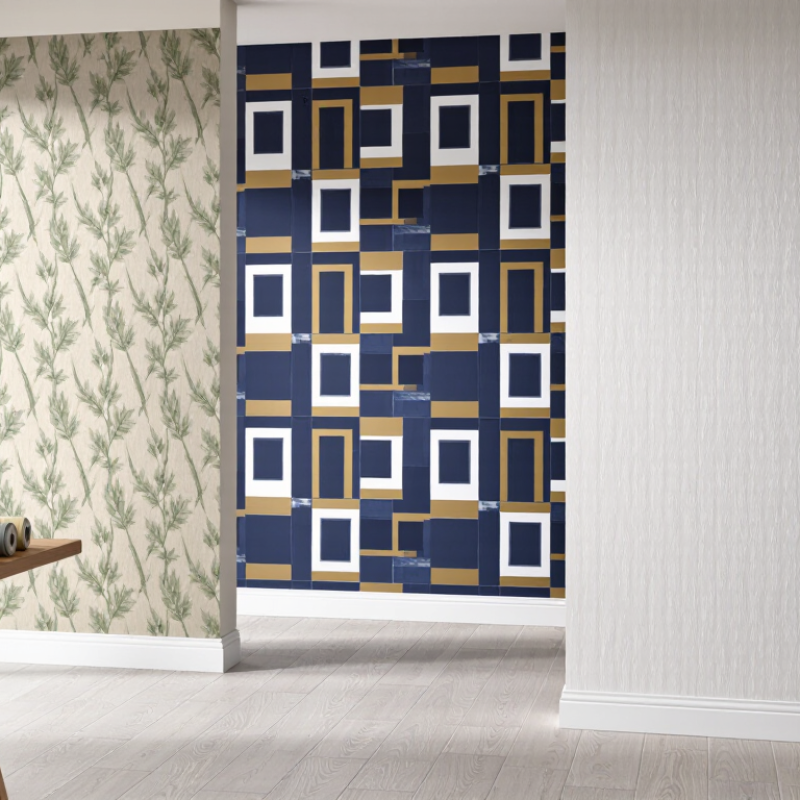
China’s removable wallpaper manufacturers produce several types for homes, offices, rentals, and retail interiors. Peel-and-stick vinyl wallpaper is popular because it resists light moisture and wipes clean easily. It often suits kitchens, children’s rooms, and temporary displays. However, adhesive strength can change with wall paint, temperature, and humidity.
Non-woven removable wallpaper offers a softer texture and easier repositioning during installation. Its breathable structure can create a more natural surface appearance. Fabric-backed wallpaper feels stronger and may cover small wall imperfections better. Some suppliers also make removable paper wallpaper, though it usually needs gentler cleaning and careful handling. PVC-free options are available for buyers seeking different material profiles.
There are more specialized choices, too. Chalkboard wallpaper supports writing areas, while printed mural panels create large scenic designs with fewer visible pattern repeats. Manufacturers commonly provide matte, satin, and lightly embossed finishes. During sourcing, request material samples, adhesive data, roll dimensions, color tolerances, and destination-market safety reports. Check the wallpaper on a painted test board for at least several days. Remove it slowly. A sample can look perfect yet peel unevenly from fresh paint. That detail is easy to miss. Suppliers with documented inspection procedures, stable batch records, and responsive technical support are generally more dependable.
Key Features of Leading Chinese Wallpaper Suppliers
China Best Removable Wallpaper Manufacturers and Suppliers
Leading Chinese wallpaper suppliers combine material control, practical testing, and flexible production. Grand View Research reports that the global wallpaper market is expanding steadily, supported by residential renovation and easier installation. This growth raises buyer expectations. Suppliers should disclose backing type, adhesive composition, roll dimensions, and recommended wall conditions. A reliable factory provides batch samples before mass production. It also checks color consistency under daylight and warm indoor lighting.
Peel performance matters most. Professional suppliers test adhesion on painted drywall, plaster, glass, and smooth wood. They should record removal time, residue levels, and surface damage. ASTM and ISO-related testing methods can strengthen technical credibility, although compliance claims require evidence. According to a 2023 Smithers industry analysis, sustainability and lower-emission materials are becoming stronger purchasing factors in interior products. Water-based inks, recyclable packaging, and low-VOC options deserve clear documentation, not vague green language.
Customization is another key feature. Experienced manufacturers can adjust pattern scale, repeat length, texture, and roll width for different projects. Digital proofing reduces costly color mistakes. Quality control should cover printing, cutting, packing, and carton compression. Supplier audits should also review production capacity and lead times. A low price can hide weak backing or inconsistent adhesive strength. I would still request independent testing for large orders; factory data alone may be incomplete. Small details matter.
Customization, Pricing, and Minimum Order Requirements
When sourcing removable wallpaper from China, customization should start with the wall, not only the artwork. Suppliers usually request roll width, repeat size, surface texture, adhesive type, and packaging method. A digital proof helps verify color under daylight and warm indoor light. Ask for a physical sample before approving production. Screens can mislead. Custom options may include color matching, private patterns, trimming, and multilingual carton labels. Confirm whether customization changes the minimum order quantity.
Pricing depends on material, print coverage, finish, order volume, and inspection requirements. A basic quote may exclude sampling, cylinders, edge trimming, export cartons, or delivery. Request an itemized quotation in writing. Compare the same specifications, not merely the lowest unit price. Small batches cost more. That is normal. For accurate budgeting, ask about sample fees, deposit terms, balance timing, and replacement policies for defects. Currency changes and freight can also affect the final landed cost.
Minimum order requirements vary by material and customization level. Stock designs may allow a lower MOQ, while a new pattern or special coating may require several hundred rolls. Ask whether mixed designs can share one production run. This can reduce leftover stock, but not always. Confirm roll dimensions, tolerances, lead time, and pre-shipment inspection records. Buyers sometimes focus on price and overlook color consistency between batches. That mistake is expensive. A clear production sample and written approval reduce misunderstandings.
Shipping, Compliance, and Supplier Selection Tips
China’s removable wallpaper market offers flexible designs, but shipping and compliance require careful planning. Experienced buyers should confirm roll length, core size, carton strength, and moisture protection before placing an order. A crushed edge can ruin an otherwise acceptable batch. Ask suppliers for material specifications, adhesive details, and recent test reports covering emissions, fire performance, and product safety. Requirements may differ by destination, so local review remains essential.
Tips: Request a pre-production sample. Test it on painted drywall for seven days. Check removal force, color stability, odor, and surface damage. Confirm the declared product description, packaging labels, country of origin, and shipping documents before dispatch. Small paperwork errors can create delays, storage fees, or customs questions. Keep written approval for every revision.
Supplier selection should include factory capacity, quality controls, inspection procedures, and response speed. A reliable supplier can explain batch tracking and replacement policies without vague promises. Compare total landed cost, not only the unit price. Include production, inland transport, freight, duties, inspection, and possible rework. Some buyers focus too heavily on attractive samples. That is a weakness. Request samples from different production dates when possible, because consistency can be harder than initial quality. Evaluate communication honestly, especially when specifications change.