How to Choose the Best Insulation Wall Sticker for Your Home?
Choosing the right Insulation Wall Sticker can significantly impact your home's energy efficiency. According to the U.S. Department of Energy, proper insulation can reduce energy consumption by up to 30%. This statistic underscores the importance of making informed choices about insulation products.
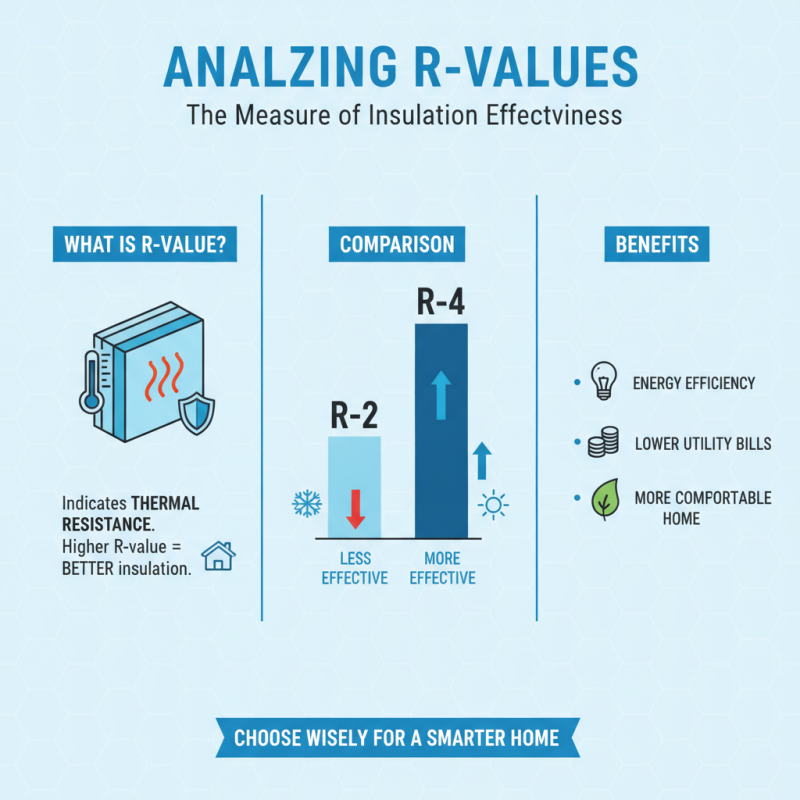
When selecting an Insulation Wall Sticker, consider your specific needs. Factors such as R-value, adhesive strength, and environmental impact play crucial roles. A high R-value reflects better thermal resistance, essential for maintaining indoor comfort. Yet, many consumers overlook this crucial aspect.
Quality matters, too. Poorly made stickers can lead to future issues, undermining your investment. Reports indicate that inadequate insulation could lead to higher heating and cooling costs, sometimes by over $400 annually. Reflecting on the long-term benefits is vital. Ultimately, a smart choice can offer savings and a more comfortable living environment.
Understanding the Basics of Insulation Wall Stickers and Their Benefits
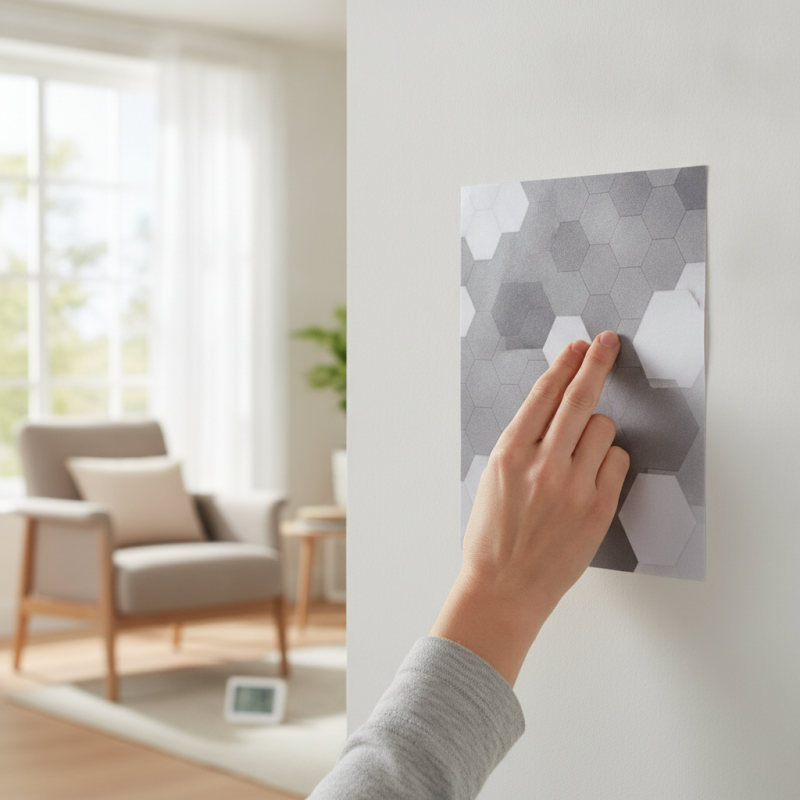
Insulation wall stickers are becoming popular for energy savings. These innovative products are designed to provide additional thermal insulation. They can help maintain a comfortable indoor temperature, reducing reliance on heating or air conditioning. This leads to lower energy bills, which is a significant benefit for homeowners.
Understanding how insulation wall stickers work is crucial. They often consist of materials that reflect heat and reduce drafts. When applied correctly, they improve the comfort of your living space. Many users report a noticeable difference in room temperature. However, some may find it challenging to assess their effectiveness initially.
It's worth noting that not all insulation wall stickers are created equal. The quality and thickness can vary widely. Some stickers may peel or lose effectiveness over time. It’s important to research and read reviews before making a choice. Homeowners should also consider the specific needs of their space. Taking the time to choose wisely can lead to meaningful improvements.
Understanding the Benefits of Different Insulation Wall Stickers
Key Factors to Consider When Selecting Insulation Wall Stickers
When choosing insulation wall stickers, there are key factors to consider. First, material selection plays a significant role. Different types of materials offer varying levels of insulation. Some materials might be more environmentally friendly, while others may provide better thermal resistance. It’s essential to evaluate which aspects matter most to you.
Next, consider the installation process. Some stickers may require specific tools or skills for proper application. This could complicate the process and affect the end result. A straightforward installation can save time and energy. Look for options that are easy to apply and remove. Different surfaces may also impact how well the stickers adhere. Proper surface preparation is crucial for long-lasting results.
Aesthetics should not be overlooked. Insulation wall stickers come in various designs and colors. However, ensure that the pattern aligns with your home decor. A mismatch can detract from the overall look. Additionally, think about the durability of the stickers. They should resist fading and wear over time. It’s wise to read customer reviews to assess performance and longevity. Balancing these factors can lead to a more informed decision.
Material Types: Comparing Vinyl, Fabric, and Foam Insulation Stickers
When selecting insulation wall stickers, considering material types is crucial. Vinyl is a popular choice due to its durability. A report from the Insulation Institute indicates that vinyl stickers can provide an R-value of around 3 to 5 per inch. This makes them effective for temperature regulation. Their easy application is appealing for many homeowners. However, vinyl can sometimes struggle with extreme temperatures, affecting its longevity.
Fabric insulation stickers offer a softer aesthetic touch. They often have better breathability compared to vinyl. Studies show that fabric stickers can resist mold and mildew, which is vital for humid areas. However, their R-value generally ranges between 2 to 3, making them less effective for thermal insulation. Some may find their application process more challenging.
Foam insulation stickers are the most thermally efficient option. With an R-value of about 5 to 7, they minimize heat transfer effectively. Industry reports reveal that foam can last longer than both vinyl and fabric if properly maintained. Yet, their sticky nature might not suit all surfaces, creating potential issues during installation. Each material has its pros and cons, and understanding them can guide your decision.
How to Choose the Best Insulation Wall Sticker for Your Home?
| Material Type |
Insulation R-Value |
Cost per Square Foot |
Durability |
Ease of Installation |
| Vinyl |
R-2 |
$1.50 |
Moderate |
Easy |
| Fabric |
R-3 |
$3.00 |
High |
Moderate |
| Foam |
R-4 |
$2.00 |
Moderate |
Easy |
Installation Tips for Optimal Performance and Longevity of Wall Stickers
When installing insulation wall stickers, proper surface preparation is crucial. Ensure the wall is clean, dry, and free from dust or grease. A survey by the Energy Saving Trust reports that poorly prepared surfaces can reduce insulation effectiveness by up to 30%. Use a primer if necessary to enhance adhesion. This step is often overlooked, yet it can significantly impact the longevity of the stickers.
Application technique also plays a vital role. Start from the center and gradually move outward to avoid air bubbles. A study from the Building Research Establishment indicates that air pockets can compromise insulation properties significantly. Moreover, consider the temperature during application. Ideal conditions are often between 15-25°C. Extreme temperatures can cause the adhesive to fail.
Lastly, maintenance is key to ensuring optimal performance. Regularly inspect the stickers for peeling or wear, and clean them gently using a damp cloth. Data shows that wall stickers can last up to a decade with proper care. However, neglect can lead to rapid deterioration. Awareness of these factors is essential for maximizing the benefits of insulation wall stickers in your home.