How to Choose the Best PVC Wallpaper for Your Home Decoration Needs?
Choosing the right PVC wallpaper can transform your home’s interior. It’s essential to find a design that resonates with your style. PVC wallpaper is not just about aesthetics; it also offers durability and easy maintenance. Many people overlook these benefits.
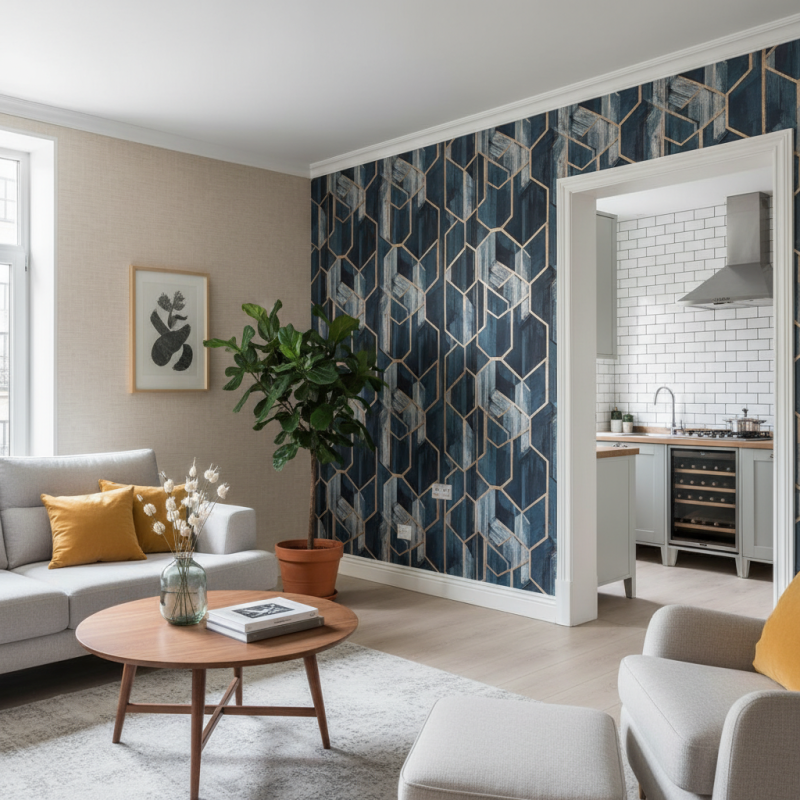
When selecting PVC wallpaper, consider texture and color. Bold patterns can make a statement, while soft hues create a calming environment. The material's water resistance also plays a significant role, especially in kitchens and bathrooms.
However, not all PVC wallpapers are created equal. Some may fade, peel, or have poor adhesive quality. Researching brands and reading reviews can help prevent these pitfalls. Embracing the right PVC wallpaper can enhance your living space in ways you might not have imagined.
Understanding PVC Wallpaper: Key Features and Benefits
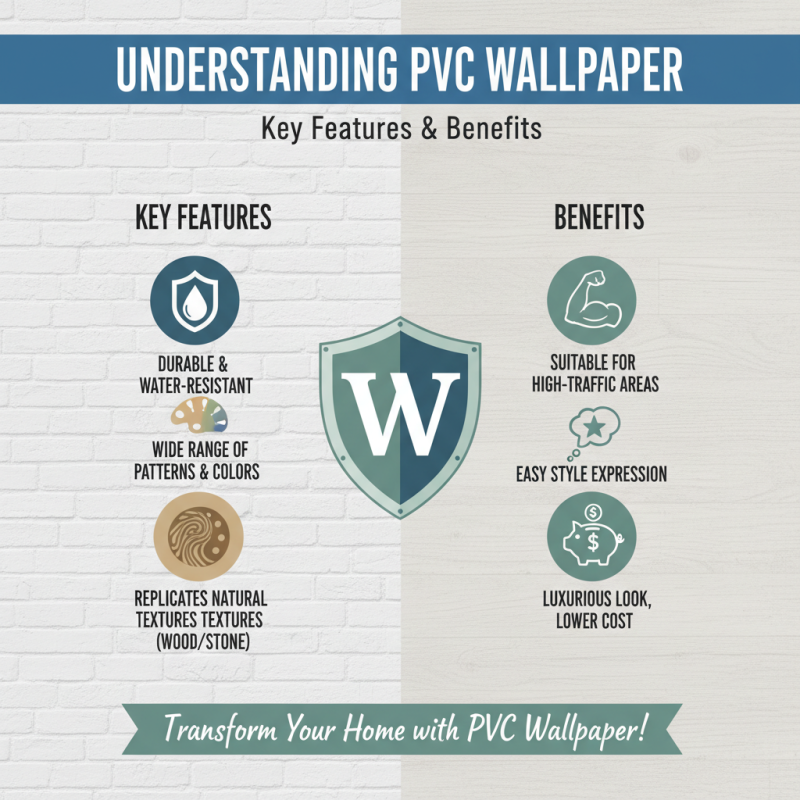
PVC wallpaper is a popular choice for home decoration due to its many key features and benefits. This material is durable and water-resistant, making it suitable for high-traffic areas. The wide array of patterns and colors allows homeowners to express personal style with ease. PVC wallpaper can replicate the look of natural textures, such as wood or stone, providing a luxurious feel at a lower cost.
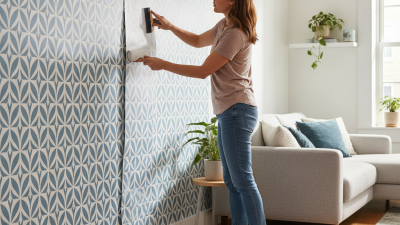
One notable advantage of PVC wallpaper is its ease of maintenance. Most stains can be wiped away with a damp cloth, making it ideal for homes with children or pets. However, it's essential to consider the installation process. Some might find applying it tricky, leading to potential air bubbles or uneven sections. Choosing a quality adhesive is crucial for a smooth finish.
Another point to reflect on is the environmental impact. PVC is a synthetic material, which raises concerns for eco-conscious consumers. While it's long-lasting, its production and disposal may affect our planet. Finding a balance between aesthetic appeal and sustainability can be challenging. Nevertheless, understanding these unique characteristics helps in making an informed decision for your home.
Identifying Different Types of PVC Wallpaper for Decoration
When selecting PVC wallpaper, understanding the diverse types available is crucial for achieving your desired aesthetic. PVC wallpaper is typically categorized into three main types: vinyl-coated, solid vinyl, and paper-backed. Vinyl-coated wallpaper, which has a layer of vinyl over paper, offers durability and ease of maintenance. It's best for busy areas as it withstands moisture and stains effectively. On the other hand, solid vinyl wallpaper is even more robust, making it suitable for commercial spaces. A report by the Wallcoverings Association states that solid vinyl accounts for nearly 30% of the market due to its long-lasting nature.
Another type is paper-backed PVC wallpaper, often chosen for its eco-friendliness. This wallpaper type, while less durable than its vinyl counterparts, allows for easier printing and offers a wider variety of designs. It's ideal for low-traffic areas like bedrooms. However, it's essential to remember that while these wallpapers can enhance a room's beauty, they may not always hold up against children or pets.
The popularity of PVC wallpaper is evidenced by a 20% growth rate in recent years, highlighting that consumers increasingly prioritize aesthetic durability and maintenance. Yet, despite its advantages, some homeowners worry about its environmental impact. Being aware of these aspects can help you make an informed decision tailored to your home decoration needs.
Evaluating Color, Pattern, and Texture Options for Your Space
Choosing the right PVC wallpaper involves careful consideration of color, pattern, and texture. According to a recent industry report, 70% of homeowners cite color as a primary factor in their decor choices. Bright colors can energize a room, while muted tones may create a calming environment. Think about how you want to feel in your space. For instance, a warm palette can make a room feel cozy and inviting.
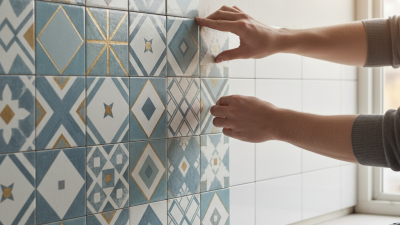
Patterns play a crucial role as well. Bold geometric designs may suit modern interiors, while floral prints can add charm to traditional spaces. Research suggests that patterns can influence mood. A study found that visually stimulating patterns can increase creativity by 30%. However, overwhelming designs may clash with your existing furniture. It’s essential to maintain a balance between your wallpaper and decor.
Texture brings depth to your walls. Textured wallpapers can enhance tactile experiences. They can also hide imperfections on surfaces. The right texture can add sophistication or warmth to a space. However, overly complex textures can sometimes be difficult to match with other materials. Take the time to visualize how different textures will interact in your room. Consider sample swatches before committing to a final choice.
How to Choose the Best PVC Wallpaper for Your Home Decoration Needs?
| Dimension |
Option/Value |
| Color |
Soft Beige |
| Pattern |
Geometric Shapes |
| Texture |
Matte Finish |
| Room Type |
Living Room |
| Maintenance |
Washable |
| Durability |
Water Resistant |
| Application Method |
Peel and Stick |
| Style Compatibility |
Contemporary & Modern |
Assessing Durability and Maintenance Needs of PVC Wallpaper
When choosing PVC wallpaper, durability and maintenance are key factors. PVC wallpaper is known for its resilience against moisture and stains. This makes it suitable for kitchens and bathrooms. However, some varieties may require more care than others.
Regular cleaning helps maintain the wallpaper's appearance. Use a damp cloth and mild soap for routine maintenance. Remember, abrasive cleaners can damage the surface. For long-term care, inspect the seams and edges regularly. Peeling can happen over time, especially in high-humidity areas.
**Tips:** Choose a wallpaper with a washable surface. This simplifies cleaning and can prolong its life. Consider patterns that may hide minor stains. This can be a practical choice in high-traffic areas. Lastly, think about the installation process; improperly installed wallpaper may not deliver the expected durability.