How to Choose the Best Foam Tiles for Your Space?
When it comes to creating a safe and stylish environment, choosing the right Foam Tiles is crucial. Industry expert Dr. Emily Carter states, “The right foam flooring can transform a space into a haven of comfort.” Foam Tiles not only enhance aesthetics but also provide safety, especially in play areas. They come in various colors and textures, suitable for different needs.
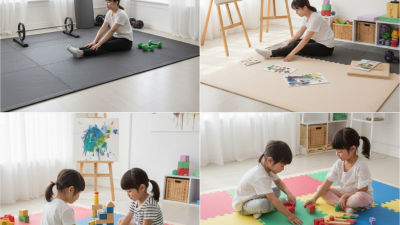
Selecting Foam Tiles requires understanding your specific space. For instance, a home gym might need thicker, more durable options. In contrast, a children's playroom would benefit from softer, more colorful designs. Each choice impacts function and style, making the selection process vital.
While many assume all foam tiles are similar, this is misleading. Some options may wear down quickly under heavy use. It's essential to consider the tile's density and coverage. Reflecting on the pros and cons of each type enhances decision-making. Ultimately, the goal is to find Foam Tiles that align with both functionality and design preferences.
Understanding Foam Tiles: Types and Uses
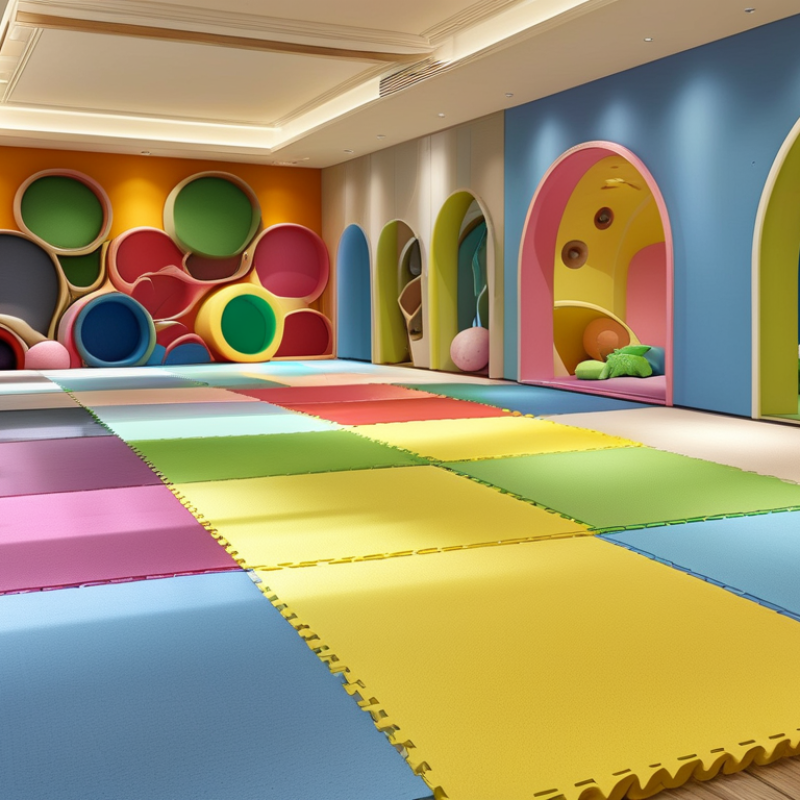
Foam tiles are an excellent choice for various spaces, offering versatility and comfort. Understanding the types and uses of foam tiles can help you make informed decisions. For instance, interlocking foam tiles are popular for home gyms, as they provide cushioning and shock absorption. According to the Global Foam Market Report, demand for foam products is projected to grow by 5% annually through 2025. This indicates a rising preference for efficient flooring solutions among homeowners and businesses.
There are several foam types, including EVA foam and PU foam. EVA foam, known for its durability, is ideal for play areas. Its water-resistant properties make it suitable for outdoor settings. PU foam, on the other hand, offers excellent insulation, making it a favorite for basements. When selecting foam tiles, consider the environment and the specific purpose. The wrong choice can lead to dissatisfaction. For example, using non-waterproof foam tiles in a high-moisture area may result in mold issues. Choosing the right type is essential for long-term usability and comfort.
Evaluating Your Space Requirements for Foam Tiles
When evaluating your space requirements for foam tiles, consider the dimensions of the area. Measure the length and width accurately. An odd-shaped room might demand custom tile arrangements. Take note of any furniture placement. That can greatly impact tile layout. Think about how you will use the space daily.
Another important factor is the type of flooring beneath. If your floor is uneven, you may need additional padding. This can change the overall thickness of the tiles you select. Think about how thick you want the foam. Thinner tiles can be less cushioned but ideal for low-traffic areas. However, excessive thickness might not work in smaller spaces.
Visually, color and pattern are crucial. Some colors can make a room feel larger or cozier. Reflect on the ambiance you aim to create. Printed tiles can add character, but they may clash with existing décor. The aesthetics should blend well while serving practical purposes. Always keep in mind that comfort and utility should go hand in hand.
Key Features to Consider When Selecting Foam Tiles
When selecting foam tiles, several key features should guide your decision. First, consider the density of the foam. Tiles with higher density provide better support and durability. According to industry data, a density of at least 2.5 pounds per cubic foot is recommended for high-traffic areas. This ensures the tiles withstand daily wear without losing shape or function.
Next, the thickness of the tiles matters. Thicker foam tiles, typically ranging from 0.5 to 1 inch, offer enhanced cushioning. This is particularly beneficial in areas meant for exercise or play. Reports indicate that floors with thicker tiles can reduce impact by up to 30%. However, it's essential to strike a balance; overly thick tiles might be less stable for certain applications, like placing furniture on them.
Another critical factor is the surface texture. Smooth surfaces can be slippery when wet, whereas those with a textured finish provide better traction. Data shows that textured tiles can reduce slip accidents by over 15% in commercial spaces. Reflecting on these features can lead to a more informed choice, ensuring the selected foam tiles serve their intended purpose effectively.
Comparing Prices and Quality of Foam Tiles
Choosing the right foam tiles involves comparing their prices and quality. Recent industry reports suggest that higher quality foam tiles can cost anywhere from $2 to $5 per square foot. While prices play a significant role, durability and safety should not be compromised. Quality foam tiles often provide better shock absorption, making them ideal for play areas and gyms.
When evaluating options, consider factors such as material, thickness, and density. These factors directly influence performance and longevity. Look for tiles that pass safety standards, like ASTM F963, ensuring they are non-toxic and safe for children. Some users might focus heavily on price, but cheaper options may wear out quickly or lack critical safety features.
Choose accordingly. For a busy playroom, a thicker tile provides extra cushioning. In contrast, a thinner tile works well in less active spaces. Color and design can also impact your choice. A well-chosen, vibrant tile can enhance aesthetics and stimulate creativity. While many find lower-priced options appealing, quality should always take precedence. Test samples where possible before making a decision, as personal comfort is crucial.
Maintenance Tips for Long-lasting Foam Tiles
Foam tiles offer a versatile flooring solution, but proper maintenance is crucial for longevity. Regular cleaning is essential. Sweep or vacuum them weekly to prevent dirt buildup. This helps maintain their appearance and prevents slippage. For deeper cleaning, a mild soap solution works well. Avoid harsh chemicals that could degrade the foam material.
Inspect your foam tiles for wear and tear. Look for punctures or discoloration. If you notice damaged tiles, replace them promptly to prevent further issues. Using furniture pads can help reduce wear caused by heavy items. Direct sunlight may cause fading, so consider positioning furniture strategically.
Lastly, avoid dragging heavy objects across the tiles. This can lead to scratches or dents. Create a routine for maintenance checks. Keeping an eye on your foam tiles will save you time and money in the long run. Reflecting on this, even small negligence can lead to significant issues. Make maintenance a priority for the best results.