Leave Your Message

How to Choose the Best Plastic Tile for Your Project?

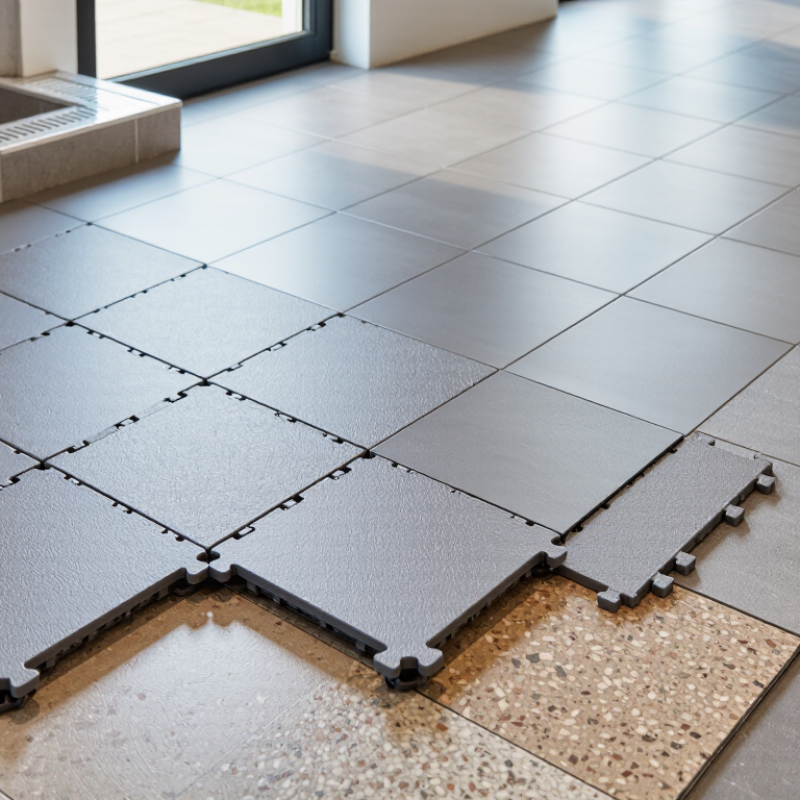
Choosing the right Plastic Tile starts with the project, not the product photograph. A wetroom, warehouse, balcony, or children’s space demands different performance. PVC tiles may provide flexible installation and strong water resistance. Polypropylene options can offer higher impact tolerance. Recycled-content products may reduce virgin material use, but their color consistency can vary. No tile wins everywhere.

Industry evidence supports a careful comparison. The U.S. Environmental Protection Agency’s Sustainable Materials Management report estimated 600 million tons of construction and demolition debris were generated in 2018. That figure highlights the value of durable products, repairable systems, and responsible end-of-life planning. The European Commission’s Level(s) framework also encourages life-cycle thinking, including material sourcing, durability, maintenance, and replacement frequency. These points matter when comparing a low-cost tile with a longer-lasting alternative. Price is only one part of the calculation.

Performance standards provide a more reliable starting point. ASTM F1303 addresses resilient flooring, while EN 14041 covers essential characteristics for resilient floor coverings in European markets. Check slip resistance, fire performance, dimensional stability, chemical resistance, and installation requirements. Request test reports, technical data sheets, and warranty conditions from the supplier. Look closely at the underside, locking edges, surface texture, and drainage details. Small defects become expensive under heavy traffic. I have seen attractive samples fail because the subfloor was damp or uneven. That mistake is easy to repeat. A practical selection process should match the Plastic Tile to actual loads, cleaning methods, climate exposure, and maintenance skills. It should also question recycled-content claims and verify them through credible documentation, rather than trusting attractive language alone.
How to Choose the Best Plastic Tile for Your Project?

Understanding Plastic Tile Types and Their Core Differences

How to Choose the Best Plastic Tile for Your Project?

Understanding Plastic Tile Types and Their Core Differences

Plastic tile is not one material with many colors. PVC tiles are light, flexible, and often practical for walls or low-impact areas. They resist moisture, but heat can make them expand. Polycarbonate tiles are tougher and more impact-resistant. They suit areas needing daylight, such as covered walkways. Acrylic tiles provide clearer light transmission, though they may scratch more easily. Composite plastic tiles can offer greater stiffness and a more textured appearance.

The core differences involve strength, flexibility, light transmission, temperature response, and maintenance. I usually compare technical datasheets before judging appearance. Check the tile’s thickness, UV resistance, fire classification, and recommended fixing method. For floors, confirm slip resistance and load capacity. A glossy surface may look clean in a showroom but become slippery near water.

Small tests reveal practical problems. Place a sample outdoors for several days. Observe color changes, surface distortion, and water behavior. Leave the manufacturer’s recommended expansion gap. I once underestimated thermal movement on a sunny installation, and the joints became visibly tight. That mistake was preventable. Also inspect the cutting edge, because brittle tiles can crack around drilled holes. Choose according to the site, not only the sample. A cheaper tile can require more repairs.
Assessing Project Needs, Location, and Installation Conditions

Choosing plastic tile starts with the project, not the color chart. Measure foot traffic, moisture, temperature changes, and cleaning demands before comparing tile profiles. A laundry room needs different protection than a quiet bedroom. For a workshop, surface toughness and resistance to oils may matter more than decorative texture. Write these requirements down. This simple record can prevent an expensive mismatch.

Location changes the decision. In a damp basement, inspect walls, floor level, drainage, and ventilation. Plastic tile can hide minor marks, but it cannot correct ongoing water intrusion. Outdoor areas require checking sunlight exposure and seasonal movement. Confirm local building requirements, especially for wet rooms and public spaces. I have seen attractive installations fail because the substrate was dusty or slightly uneven. Tile choice was blamed, although preparation caused the problem. Still, some products are less forgiving than expected.

Before installation, test a small area. Check adhesion, expansion gaps, seam alignment, and how the surface reacts to room temperature. Concrete should be clean, dry, and stable. Wood substrates may need reinforcement or leveling. Follow the technical sheet, but do not treat it as a substitute for site judgment. Conditions can change overnight. A cold floor, trapped moisture, or poor ventilation can slow curing and weaken the bond. Allow extra material for cuts and future repairs. Keep batch information and installation notes; they provide useful evidence if maintenance questions arise.

How to Choose the Best Plastic Tile for Your Project?

Assessing project needs, location, and installation conditions

Project Type Primary Requirements Recommended Tile Characteristics Suitable Location Installation Conditions Key Performance Checks Practical Recommendation
Residential Interior Clean appearance, easy maintenance, low installation disruption, and comfortable indoor use. Lightweight panels with a smooth or lightly textured surface, moisture resistance, and simple cutting. Kitchens, bathrooms, utility rooms, hallways, and other dry or intermittently wet areas. Use on a clean, dry, stable, and reasonably level substrate. Provide movement gaps around edges. Surface cleanability Water resistance Low odor Dimensional stability Choose a tile with concealed joints or compatible trim when appearance and fast installation are priorities.
Bathroom or Wet Area Resistance to splash water, humidity, cleaning products, and frequent temperature changes. Non-absorbent plastic construction, sealed joints, textured slip-resistant surfaces for floors, and mold-resistant backing where applicable. Shower surrounds, bathroom walls, laundry rooms, and areas exposed to regular moisture. Seal penetrations, corners, and joints according to the installation system. Do not rely on tile alone as a waterproofing membrane. Joint sealing Slip resistance Mildew control Chemical resistance Select a complete compatible system of tiles, trims, adhesives, and sealants rather than mixing untested components.
Commercial Interior Frequent cleaning, higher traffic, consistent appearance, and reduced maintenance downtime. Abrasion-resistant finishes, replaceable modules, durable edges, and color stability under artificial lighting. Retail spaces, offices, hospitality areas, clinics, corridors, and light-duty service zones. Verify substrate flatness and plan the layout before installation. Keep spare tiles from the same production lot when possible. Abrasion resistance Stain resistance Repairability Fire documentation Favor modular formats that allow individual damaged pieces to be removed without dismantling the surrounding finish.
Outdoor Wall or Façade Resistance to sunlight, rain, wind-driven moisture, and repeated expansion and contraction. UV-stabilized material, low water absorption, suitable impact strength, and a fastening method designed for exterior exposure. Covered exterior walls, balcony walls, garden structures, and ventilated façade applications where permitted. Confirm that the substrate and support system can handle wind loads. Use corrosion-resistant fasteners and allow thermal movement. UV stability Wind resistance Freeze-thaw suitability Fastener durability Do not use an interior-grade tile outdoors. Review local building requirements and the product’s tested exposure limits first.
Temporary or Modular Space Fast installation, low weight, removal with minimal substrate damage, and easy transport. Lightweight interlocking or mechanically fixed panels with reusable trims and replaceable sections. Exhibition booths, rental properties, temporary offices, event spaces, and renovation phases. Use reversible fixings where removal is expected. Protect tile edges during transport and keep panels flat before installation. Low weight Reusability Fast assembly Edge protection Select a system that can be cut and replaced with common tools while maintaining a consistent joint pattern.
Industrial or Utility Area Resistance to impact, dirt, moisture, oils, cleaning agents, and demanding maintenance routines. Thick, impact-resistant construction with a textured finish where traction is needed and compatibility with expected chemicals. Workshops, storage rooms, service corridors, plant rooms, and light-duty industrial interiors. Remove grease, dust, and loose material before installation. Repair cracks or unstable areas in the substrate first. Impact strength Chemical compatibility Slip resistance Load suitability Check the chemical safety data and tested load limits; decorative wall tiles should not be treated as heavy-duty floor products.
Cold or Seasonal Climate Tolerance of low temperatures, frost exposure, thermal cycling, and possible condensation. Material with documented low-temperature performance, flexible detailing, and reduced moisture uptake. Unheated rooms, garages, exterior applications, cold storage surrounds, and seasonal buildings. Allow acclimatization before fitting, avoid trapping moisture behind panels, and provide expansion space at perimeters. Freeze-thaw data Thermal movement Condensation control Adhesive flexibility Use only products and adhesives whose service-temperature range covers the actual minimum and maximum conditions.
High-Temperature Area Stability near heat sources, resistance to softening, and safe separation from hot equipment. Heat-rated plastic material with documented maximum service temperature and appropriate fire-performance information. Areas near boilers, commercial kitchens, heaters, or sun-heated enclosures, subject to product limitations. Maintain the specified clearance from heat sources and avoid installation over surfaces that exceed the tile’s temperature rating. Service temperature Fire classification Clearance requirements Ventilation Never assume that a plastic tile is suitable beside open flames or high heat; verify tested ratings and applicable regulations.

Selection reminder: Before ordering, confirm tile dimensions, substrate compatibility, adhesive or fixing requirements, expansion allowances, fire-performance documentation, cleaning compatibility, and the expected temperature and moisture range of the installation site.

Comparing Durability, Safety, Maintenance, and Appearance

When choosing plastic tile, durability should match the room, not just the product label. I once selected a glossy tile for a busy entrance. Dust showed immediately. It looked poor after one week.

Check wear resistance, dimensional stability, and chemical resistance in the technical sheet. ISO 10582:2017 covers key performance tests for several PVC floor coverings. ASTM F1700 also provides requirements for solid vinyl tile. These references help compare products fairly. Do not guess. Ask for batch-specific test documents.

Safety deserves equal attention. The U.S. Environmental Protection Agency reports indoor pollutant levels can be two to five times higher than outdoor levels, and sometimes 100 times higher. Request VOC-emission results from a recognized testing method, such as CDPH Standard Method v1.2. For kitchens or bathrooms, review wet slip data under ANSI A326.3. Test it wet. A dry sample can mislead.

Maintenance affects real lifespan. Sweep grit often, use a neutral cleaner, and avoid abrasive pads that dull the surface. Dark colors reveal dust; pale colors can expose stains. Printed textures may hide small marks, but deep grooves collect grease. Consider daylight, furniture movement, and replacement availability before installation. A sample beside a window is more useful than a catalog image. Looks matter, but lighting changes everything. Surface color may also fade without adequate UV resistance, so confirm the supplier’s light-stability testing before covering a sunlit room.

Checking Dimensions, Compatibility, Cost, and Environmental Factors

How to Choose the Best Plastic Tile for Your Project?

Measure the actual installation area, not only the sales drawing. Record length, width, thickness, edge profile, and joint spacing. One misplaced millimeter can create visible gaps across a long run. Confirm whether the tile suits concrete, plywood, metal, or an existing membrane. Check fasteners, adhesives, drainage, temperature movement, and fire requirements before ordering. Ask for a dimensional tolerance sheet. It may reveal problems that product photos hide.

Cost involves more than the tile price. Compare material, cutting waste, delivery, labor, repairs, and expected service life. A cheaper tile can demand extra preparation or special connectors. That difference may exceed the original saving. Request a project-specific quotation with waste percentages and installation assumptions. My own estimate would remain provisional until the substrate and site access are inspected.

Environmental claims need careful checking. The OECD Global Plastics Outlook (2022), using 2019 data, reports that only 9% of global plastic waste was recycled. Recycled content matters, but it is not the whole assessment. Request an environmental product declaration under ISO 14025, and examine manufacturing energy, durability, transport, and end-of-life options. UNEP’s Turning off the Tap report (2023) says plastic pollution could be reduced by 80% by 2040 through system changes. That target is ambitious. A tile with recycled content may still perform poorly if it fails early or cannot be recovered locally.

How to Choose the Best Plastic Tile for Your Project?

Comparison of typical plastic tile options by cost, service life, and recycled content.

Tile Type Typical Thickness Typical Cost Range Best Compatibility Main Limitation
PVC Interlocking Floor Tile 2–3 mm US$10–30/m² Smooth, dry concrete and indoor commercial areas Can be affected by extreme heat and prolonged moisture
HDPE Modular Tile 15–25 mm US$20–50/m² Garages, workshops, concrete floors, and drainage bases Requires a reasonably level substrate
PP Modular Tile 15–25 mm US$18–45/m² Temporary floors, workshops, patios, and event spaces Lower load stability on uneven surfaces
Polycarbonate Roofing Tile 0.8–2 mm US$12–35/m² Pitched roofs, canopies, and daylighting applications Needs UV protection and correct structural support

The chart uses representative midpoints from common market ranges: cost is shown in US$/m², service life in years, and recycled content as a percentage of material by mass. Actual results vary with thickness, installation quality, climate, loading, and local pricing. Check technical datasheets and local building requirements before specifying a product.

Making the Final Plastic Tile Selection for Your Project

Choosing the final plastic tile requires more than comparing colors and prices. Start with the project’s actual conditions. A bathroom floor needs strong moisture resistance and a reliable slip-resistant surface. A wall panel may need lighter weight and simpler cutting. Measure the area carefully, including corners, drains, and expansion gaps.

Check the tile’s material, thickness, wear rating, and installation requirements. Ask for technical documents when available. They can clarify cleaning limits, temperature tolerance, and expected service conditions. In my experience, a tile that looks perfect under showroom lights may reveal scratches beside a doorway. Samples are worth the small extra cost.

Tips

Place a sample in the project space for several days. View it in daylight, artificial light, and at different angles. Test a small cut before ordering the full quantity. Confirm that adhesive, grout, and tools suit the tile material. Keep extra tiles for future repairs, because colors and surface textures can change between production runs.

Before placing the final order, compare the complete cost, not only the tile price. Include delivery, preparation, installation, waste, and maintenance. A cheaper tile may require more careful handling or replacement. I once underestimated edge cuts on an irregular wall, so the first material estimate was too optimistic. Leave a practical allowance for waste, but avoid buying excessive stock. Choose the option that matches the site, installer’s skill, and long-term use.