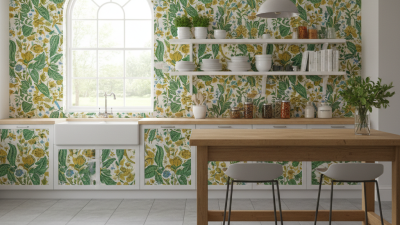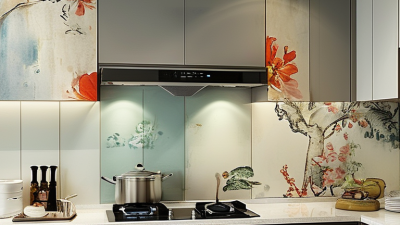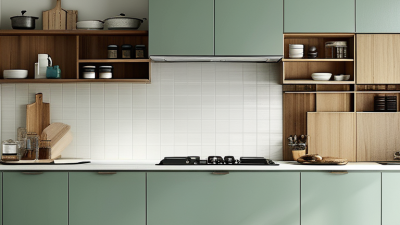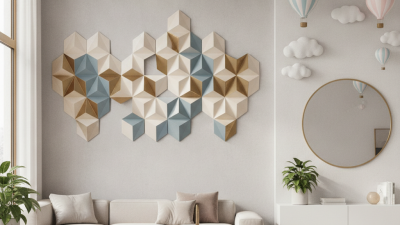
Choosing Kitchen Wallpaper in 2026 requires more than following the newest color trend. A kitchen faces steam, splashes, grease, temperature changes, and frequent cleaning. The right design must survive real household routines, not only look attractive in a carefully lit photograph. Start by checking the product label. Washability, moisture resistance, paste compatibility, and installation guidance matter as much as pattern scale.
Interior designer Martyn Lawrence Bullard has said, “Wallpaper adds personality, pattern, and depth.” That idea remains useful in modern kitchens. A soft botanical print can warm white cabinets, while a small geometric pattern can make a narrow backsplash wall feel intentional. Larger murals create drama, but they may overwhelm open shelving or busy countertops. Measure the wall twice. It sounds obvious, yet mistakes happen.
Kitchen Wallpaper should also support cleaning and long-term maintenance. Vinyl-coated or washable options may suit cooking areas better than delicate paper surfaces. However, no wallpaper should replace proper ventilation behind a stove or sink. Keep it away from direct heat unless the manufacturer approves the application. This point is often overlooked.
There is no perfect choice. Dark colors can make a compact kitchen feel smaller. Pale patterns may show marks sooner. Samples help, but daylight changes throughout the day. Test one beside your cabinets, tiles, and flooring before ordering. A beautiful sample can still feel wrong at home. That is where careful judgment matters.
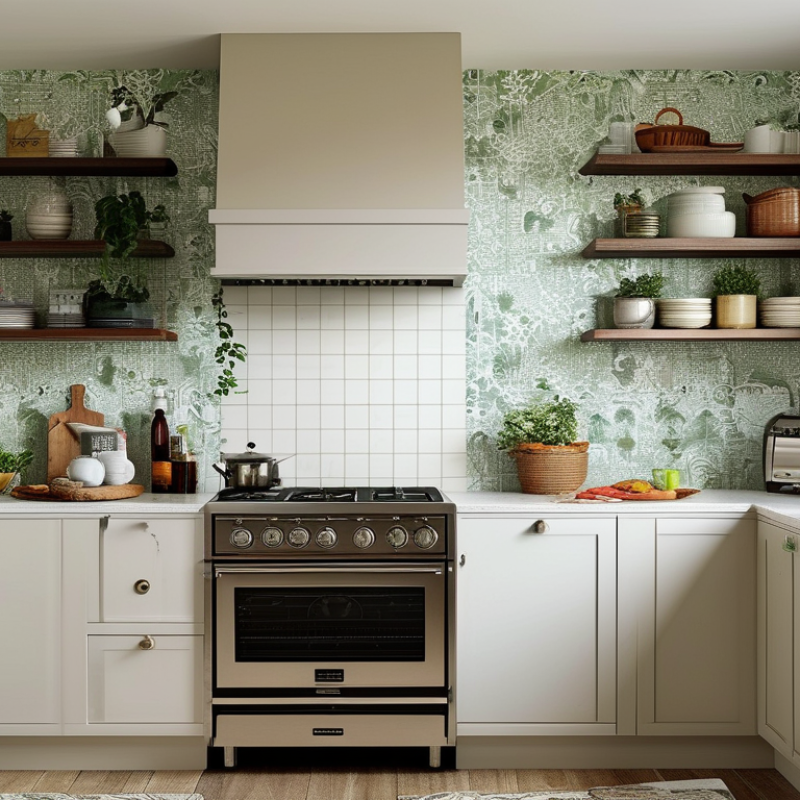
Before choosing kitchen wallpaper in 2026, define how the room is used. A busy kitchen needs more than attractive color. Check humidity, cooking heat, splashes, grease, and daily cleaning habits. Wallpaper near the sink or stove faces greater stress. Keep it away from direct heat sources. A washable, moisture-resistant surface is usually more practical than a delicate finish.
Measure the wall area carefully, including windows, cabinets, and doors. Then add extra material for pattern matching and cutting errors. I once underestimated this allowance and created an unnecessary delay. Small mistakes become expensive when the pattern repeats widely. Request a physical sample, not only a digital image. Screen colors can appear brighter than they look indoors. Test the sample beside your cabinets during morning and evening light.
Surface preparation also matters. Walls should be smooth, dry, clean, and free from loose paint. Uneven plaster can make thin wallpaper look disappointing. Ventilation helps reduce moisture, but it cannot repair poor installation. Choose an adhesive suitable for kitchen conditions and follow the manufacturer’s application guidance. Pay attention to seams around corners. They may lift when steam reaches them repeatedly. A washable surface is useful, yet aggressive scrubbing can still damage it. That detail is easy to overlook. Consider your actual routine, cleaning products, ventilation, and tolerance for maintenance before selecting the final design.
How to Choose Kitchen Wallpaper in 2026?
Kitchen wallpaper must survive more than daily cooking. Steam rises from boiling pots, while grease settles near the hob. The U.S. Environmental Protection Agency recommends indoor humidity between 30% and 50%. Poor ventilation can push moisture behind wallpaper seams. Choose a moisture-resistant, washable surface, especially near sinks and dishwashers. A pretty sample can still fail. I have seen edges lift after repeated splashing, even when the installation looked careful.
Heat and grease require stricter testing. The National Fire Protection Association identifies cooking equipment as the leading cause of home structure fires, so wallpaper should not sit directly beside burners. Use a heat-resistant backsplash instead in high-temperature zones. For cleaning, check wet-scrub performance rather than trusting words like “easy-care.” ISO 11998 measures resistance to wet scrubbing, while ASTM F793 classifies wallcoverings by durability characteristics. Ask for test details, not vague promises. Ratings can vary between product batches, too.
Tips: Wipe a sample with warm water and mild detergent. Leave it damp for ten minutes. Check for swelling, color transfer, or softened coating. Rub gently with a soft sponge, not an abrasive pad. Inspect seams after drying. If grease remains, the design may be attractive but impractical. Keep wallpaper away from direct flame, and improve extraction above the cooking area. Always follow the installer’s preparation guidance, because an excellent material can still fail on a poorly sealed wall.
How to Choose Kitchen Wallpaper in 2026?
Kitchen wallpaper must handle more than visual style. It faces steam, splashes, grease, and frequent cleaning. Choose washable vinyl or coated paper for areas near sinks and cooking zones. Textured materials can hide small wall flaws, but deep grooves may collect dust. Smooth surfaces are easier to wipe. I learned this after choosing a beautiful raised pattern that became annoying beside the stove.
Patterns should match the kitchen’s scale. Small rooms often benefit from narrow stripes, tiny botanical shapes, or soft geometric lines. Large kitchens can support bolder forms without feeling crowded. Use patterns carefully around cabinets, shelves, and door frames. A busy print behind open shelving may compete with dishes. Color matters too. Warm whites, muted greens, clay tones, and gentle blues can soften hard surfaces. Dark colors add depth, though they may make a poorly lit kitchen feel smaller. Check samples in morning and evening light. Colors can shift surprisingly.
Tips: Order samples before buying. Wipe each sample with a damp cloth and inspect the finish afterward. Keep wallpaper away from direct heat unless the material is specifically rated for it. Align the pattern with cabinet lines for a calmer look. Texture deserves a practical test. Rub it lightly with a dry sponge. If it catches easily, reconsider. I sometimes prioritize appearance too quickly, and kitchens punish that mistake.
Comparing wallpaper materials by practical kitchen performance
Vinyl wallpaper is the most practical choice for areas exposed to moisture and frequent cleaning. Fiberglass wallpaper offers strong durability, while non-woven wallpaper provides a balance of easy installation and everyday performance. Paper wallpaper is best reserved for dry, low-contact kitchen zones. Ratings use a relative 1–5 scale based on typical material characteristics: 1 = low and 5 = high.
Before choosing kitchen wallpaper in 2026, measure every wall separately. Do not trust the room’s apparent symmetry. Record width, height, doors, windows, cabinets, outlets, and exposed corners. Measure at the top, middle, and bottom. Walls can vary by several millimeters.
Add the pattern repeat before calculating rolls. A 53-centimeter repeat can create significant waste across a long wall.
The U.S. Environmental Protection Agency reported over 600 million tons of construction and demolition debris in 2018. Accurate planning helps reduce unnecessary offcuts. I still measure twice, then check the drawing again. Mistakes happen.
Plan the visual starting point before installation. Center a strong motif behind the sink, or align seams with cabinet edges. Keep seams away from splash-prone corners when possible. The National Kitchen & Bath Association’s 2025 kitchen trends research highlights continued demand for personalized, highly functional kitchens, so layout matters as much as color.
Use a level line, not the ceiling, as your guide. Begin with a dry layout using cut paper strips. This reveals awkward joins early.
Leave extra material near uneven floors and ceilings. Perfect plans rarely survive real walls. Allow the adhesive and wallpaper to acclimate according to the manufacturer’s instructions, and avoid installing over damp or dusty surfaces.
How to Choose Kitchen Wallpaper in 2026?
Kitchen wallpaper should be judged by total ownership cost, not the roll price. The 2024 Cost vs. Value Report places a minor kitchen remodel at about $27,492 in the United States. Wallpaper can refresh walls for far less, but preparation and professional installation still affect the final bill. Uneven plaster, grease damage, and repeated cutting around cabinets can quickly increase labor costs.
Maintenance matters more than appearance. Choose a washable, moisture-resistant surface for walls away from direct heat and sinks. The U.S. Environmental Protection Agency recommends indoor humidity between 30% and 50%, reducing condensation and peeling risks. Ventilation remains essential. A washable coating helps, but it is not waterproof. Never treat it as a substitute for an effective extractor fan.
Long-term suitability depends on location. Behind a hob, use a properly rated protective surface instead of ordinary wallpaper. Near a sink, sealed edges deserve careful attention. Houzz’s 2024 U.S. Kitchen Trends Study shows that homeowners continue investing in durable backsplashes during renovations, suggesting higher-risk zones need tougher materials. In practical inspections, poor wall preparation causes more failures than pattern choice. My own rule is imperfect: select the best surface the room can realistically protect, not the most fashionable one. A lower-cost paper may need replacement sooner, while a better-prepared installation can remain attractive for years. Expect repairs around plumbing access and cabinet changes.
| Wallpaper Type | Typical Material | Estimated Material Cost per sq. ft. |
Estimated Installed Cost per sq. ft. |
Moisture Resistance | Cleaning and Maintenance | Expected Service Life | Best Kitchen Location | Long-Term Suitability | Main Limitations |
|---|---|---|---|---|---|---|---|---|---|
| Vinyl-Coated Wallpaper | Paper or nonwoven backing with a thin vinyl surface coating | $0.80–$2.50 | $3.00–$7.00 | Good | Usually wipeable with a soft, damp cloth and mild soap. Avoid abrasive cleaners and soaking the seams. | 5–10 years with normal kitchen use | Dining areas, low-splash walls, and walls away from the cooktop and sink | Good for budget-conscious kitchens | Coating can peel or discolor when exposed to sustained heat, steam, or frequent scrubbing. |
| Solid Vinyl Wallpaper | Predominantly vinyl with a moisture-resistant backing | $1.50–$4.00 | $4.00–$9.00 | Very good | More resistant to stains and repeated wiping than vinyl-coated paper. Clean gently and dry the surface afterward. | 7–15 years with proper installation | High-traffic walls and areas moderately exposed to splashes | Very good | Seams still require careful sealing; not a substitute for a heat-resistant backsplash behind a range. |
| Nonwoven Wallpaper | Blended cellulose and synthetic fibers | $1.00–$3.50 | $3.50–$8.00 | Moderate to good | Many products are washable, but performance varies. Check the product cleaning symbol before using water. | 5–10 years | Dry kitchen walls, breakfast nooks, and areas where easy future removal matters | Good when labeled washable | Uncoated versions can absorb moisture and may mark more easily than vinyl surfaces. |
| Peel-and-Stick Wallpaper | Self-adhesive vinyl or polyester film | $1.50–$5.00 | $2.00–$6.00 | Moderate | Wipe with a damp, non-abrasive cloth. Keep seams dry and apply only to smooth, clean, fully cured surfaces. | 2–5 years in demanding kitchen conditions | Rental homes, accent walls, and temporary design updates away from direct heat | Fair for temporary use | Edges may lift from heat, humidity, grease, textured walls, or poor surface preparation. |
| Fiberglass Wallpaper | Woven glass fibers, usually painted after installation | $2.00–$5.00 | $5.00–$11.00 | Excellent | Painted surfaces can generally be washed and repainted. Use suitable primer and kitchen-grade paint. | 15–25 years or more | Busy kitchens, walls needing extra durability, and renovation projects requiring a reinforced surface | Excellent | Higher installation cost, more difficult removal, and professional handling may be preferable. |
| Grasscloth Wallpaper | Natural woven fibers such as grass, reed, or hemp | $3.00–$12.00 | $7.00–$18.00 | Poor | Dust lightly or vacuum with a soft brush. Do not scrub or use wet cleaning methods. | 5–10 years in dry areas | Low-moisture dining areas and decorative walls far from the sink and cooktop | Limited | Absorbs odors and moisture, shows staining, and can change color with humidity or sunlight. |
| Textile Wallpaper | Fabric or fabric-look surface on a paper or nonwoven backing | $3.00–$10.00 | $7.00–$16.00 | Poor to moderate | Usually requires gentle dusting or vacuuming. Some washable coated textiles are more resistant, but specifications vary. | 5–10 years in protected areas | Formal dining zones and decorative kitchen walls with minimal splash exposure | Limited to moderate | Can retain grease and odors; surface texture may make spot cleaning difficult. |
| Paintable Wallpaper | Embossed nonwoven or fiberglass substrate designed to receive paint | $1.00–$4.00 | $4.00–$10.00 | Good after suitable painting | Cleanability depends mainly on the paint finish. Durable satin or semi-gloss paint is generally easier to wipe than flat paint. | 10–20 years with repainting and proper care | Walls where texture and future color changes are desired | Good to very good | Requires correct primer and paint; unsealed or flat-painted surfaces may absorb stains. |
| Cost ranges are broad planning estimates in U.S. dollars for typical residential projects and may vary by region, wall condition, pattern complexity, labor rates, surface preparation, and removal of existing wallcovering. Wallpaper should not replace a code-compliant, heat-resistant backsplash behind a cooktop or range. | |||||||||
Practical selection rule: choose a washable vinyl or fiberglass option for demanding areas, a washable nonwoven option for general walls, and natural or textile wallpaper only for dry decorative zones.