2026 How to Choose the Best Foam Wallpaper for Your Home?
When it comes to home decoration, Foam Wallpaper offers a stunning option for transforming your spaces. This wall covering provides texture, warmth, and a unique aesthetic appeal. However, choosing the right Foam Wallpaper can be a daunting task. With so many designs, colors, and materials available, it's easy to feel overwhelmed.
Consider your room's purpose and style. Do you want a playful atmosphere for a child's room or a sophisticated vibe for a living area? Foam Wallpaper can meet various needs. It's lightweight and easy to install, making it a popular choice among DIY decorators. Yet, the selection process requires thoughtful consideration of durability, texture, and ease of maintenance.
Nevertheless, not all Foam Wallpaper is created equal. Some may not adhere well or can be prone to damage. It's crucial to read reviews and seek expert advice. This ensures you select a reliable product that meets your expectations. In this guide, we will explore key factors in choosing the best Foam Wallpaper for your home, helping you make an informed decision.
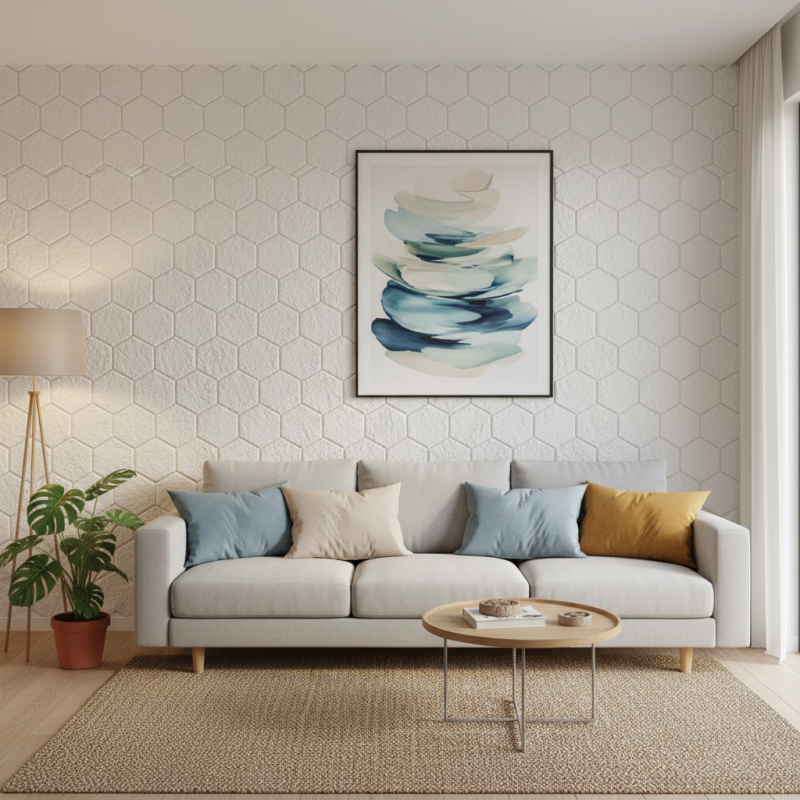
Understanding Foam Wallpaper: Types and Benefits
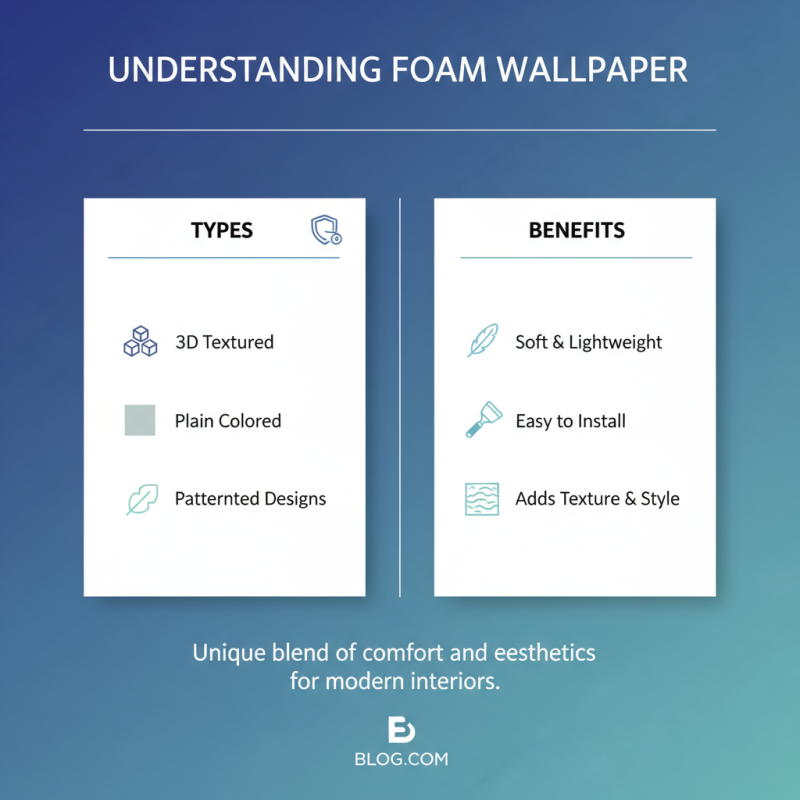
Foam wallpaper is gaining popularity in interior design. It offers a unique blend of texture and style. This type of wallpaper is generally lightweight and soft, making it easy to handle during installation.
There are various types of foam wallpaper, each catering to different aesthetic preferences. Some designs mimic natural textures, like stone or wood. According to a recent industry report by Grand View Research, the decorative wall covering market is expected to grow by over 4% annually. This growth suggests that consumers appreciate the versatility of foam wallpaper in creating distinctive environments.
In terms of benefits, foam wallpaper serves as an excellent sound insulator. It reduces noise and vibrations, enhancing the comfort of your living space. Additionally, it offers thermal insulation, making homes more energy-efficient. However, the surface may require careful cleaning. Some foam wallpapers are harder to maintain than traditional options. It's essential to assess your lifestyle before investing in this trendy decor choice.
Assessing Your Space: Choosing the Right Foam Wallpaper Style
When selecting foam wallpaper, consider the overall aesthetic of your space. Look at the colors and patterns already present. According to a recent report by the Interior Design Association, around 70% of homeowners find that the right wallpaper can enhance the room's ambiance significantly. This means that your choice can either uplift or diminish the character of your area.
Pay attention to room function when deciding on a style. A playful motif may work in a nursery, while a textured design might suit a sophisticated living room. Interior design expert Jessica Simon notes that texture can add depth, making spaces feel more inviting. Remember that high-contrast patterns can sometimes overwhelm smaller areas, leading to a cluttered look.
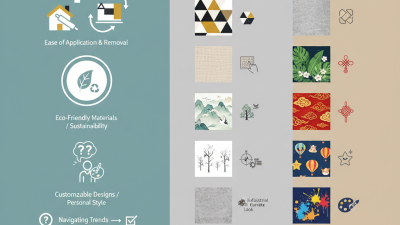
Also, reflect on your personal style. Do you prefer modern simplicity or classic elegance? A report from the Design Trends Institute highlights that 60% of consumers struggle to find that balance. This uncertainty can lead to second-guessing choices. Instead of focusing solely on trends, aim for pieces that resonate with you.
2026 Foam Wallpaper Style Preferences
Factors to Consider: Thickness, Texture, and Color Options
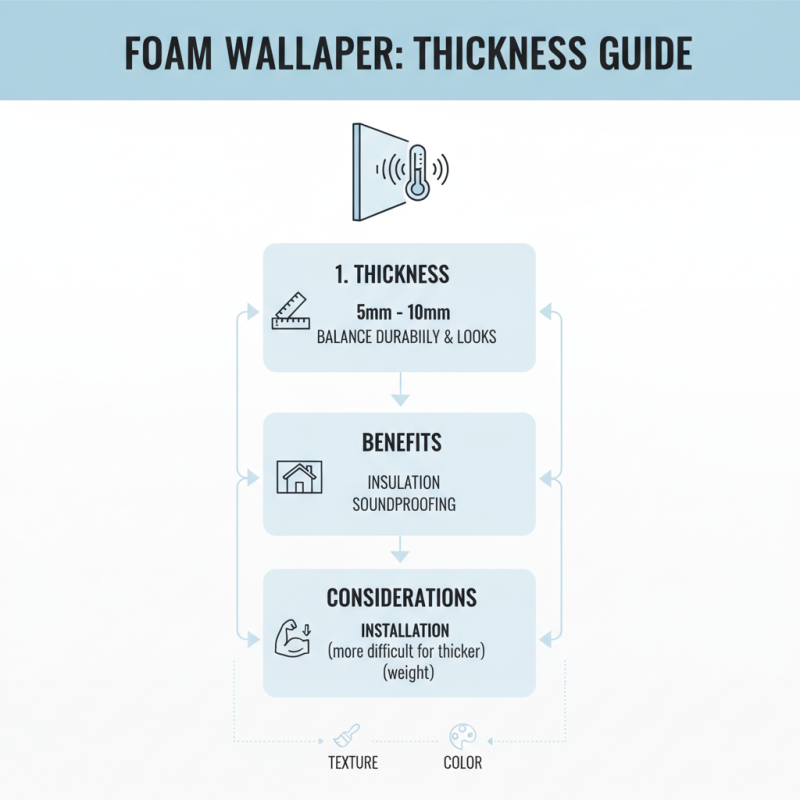
When selecting foam wallpaper, thickness is a key factor. Thicker options often provide better insulation and soundproofing. A thickness of 5mm to 10mm is common for achieving a balance of durability and aesthetic appeal. However, thicker wallpaper can be more difficult to install. Consider your readiness for a challenge. Also, ensure that your walls can support the added weight.
Texture adds a unique touch to your space. Smooth textures create a modern feel, while embossed or patterned options introduce depth. They can enhance the room's atmosphere significantly. Think about how each texture complements your furniture and decor. It's essential to visualize the overall look before making a purchase.
Color options also play a vital role. Soft pastels may work well for a calm atmosphere, while bold colors can energize a space. Consider how light affects your color choice throughout the day. Test swatches on your walls before deciding. Color can both enhance and distract. Reflect on what mood you want to create. Selecting the right foam wallpaper is about balancing practicality with style.
Installation Process: DIY or Professional Help?
When considering foam wallpaper installation, you face the choice of DIY or hiring a professional. If you opt for a DIY approach, preparation is crucial. Measuring your walls accurately is vital for successful coverage. Selecting the right tools, like a utility knife and adhesive, can make the project easier. However, even with careful planning, things can go wrong. A miscalculation can lead to visible seams or uneven edges.
Hiring a professional can save you the stress of potential mistakes. Experienced installers bring efficiency and skill. They understand how to work with different wall surfaces and can address any issues quickly. Although this option costs more, you gain peace of mind. Mistakes made during installation might require additional expenses for repairs. Professional help can ensure your foam wallpaper is flawless and long-lasting. Ultimately, deciding how to approach this process should reflect your skills, patience, and budget.
2026 How to Choose the Best Foam Wallpaper for Your Home? - Installation Process: DIY or Professional Help?
| Aspect |
DIY |
Professional Help |
| Skill Level Required |
Intermediate |
Expert |
| Time Commitment |
4-6 Hours |
2-3 Hours |
| Cost Estimate |
$100-$300 |
$300-$800 |
| Material Availability |
Common |
Specialized |
| Final Result |
Variable |
Consistent Quality |
Maintenance Tips: Keeping Your Foam Wallpaper in Top Condition
Foam wallpaper can transform your space, but maintenance is crucial for keeping it looking fresh.
Regular dusting is essential. Use a soft cloth or a duster weekly.
This practice prevents dirt buildup, which can dull the appearance over time. If spills occur, clean them promptly.
A damp cloth with mild soap works well, but avoid soaking the material. Too much moisture can lead to
mold growth, which is a common issue that often goes unnoticed.
Inspect your foam wallpaper monthly. Look for signs of damage or wear. Small rips can be repaired with adhesive, but larger issues may require replacement.
Direct sunlight can fade colors, so consider window treatments that limit exposure.
Remember, even the best products require care. Ignoring minor issues can lead to bigger problems later. Maintenance is about being proactive.
Regular checks and simple cleaning can extend its life significantly, keeping your home’s aesthetic vibrant.