What Is Marble Wallpaper and What Types Are Available?
Marble Wallpaper brings the visual character of stone to a room without adding the weight or installation demands of a marble slab. It is a decorative wallcovering printed with marble-like veins, cloudy mineral patterns, or polished-stone effects. Some designs look dramatic and high-contrast. Others feel soft and quiet.
The choice is broader than one printed look. Options include peel-and-stick wallpaper for simpler changes, paste-applied paper for more permanent projects, and textured or embossed finishes that add a tactile surface. Matte and glossy coatings also affect how veins appear under daylight or warm lamps. William Morris, the influential British designer and wallpaper maker, offered a useful design test: “Have nothing in your houses that you do not know to be useful, or believe to be beautiful.” His words still fit a wall covering chosen for both appearance and everyday use.
A sample helps. Hold it against the intended wall, then check it at different times of day. A dramatic pattern may feel balanced in a large room but crowded behind a narrow headboard. Installation requirements, wall condition, and cleaning guidance matter too. Not every marble print looks convincing up close. That is worth considering. This guide explains what Marble Wallpaper is, compares the main types, and outlines practical points for choosing a style that suits the room.
What Marble Wallpaper Is and How It Differs from Natural Stone
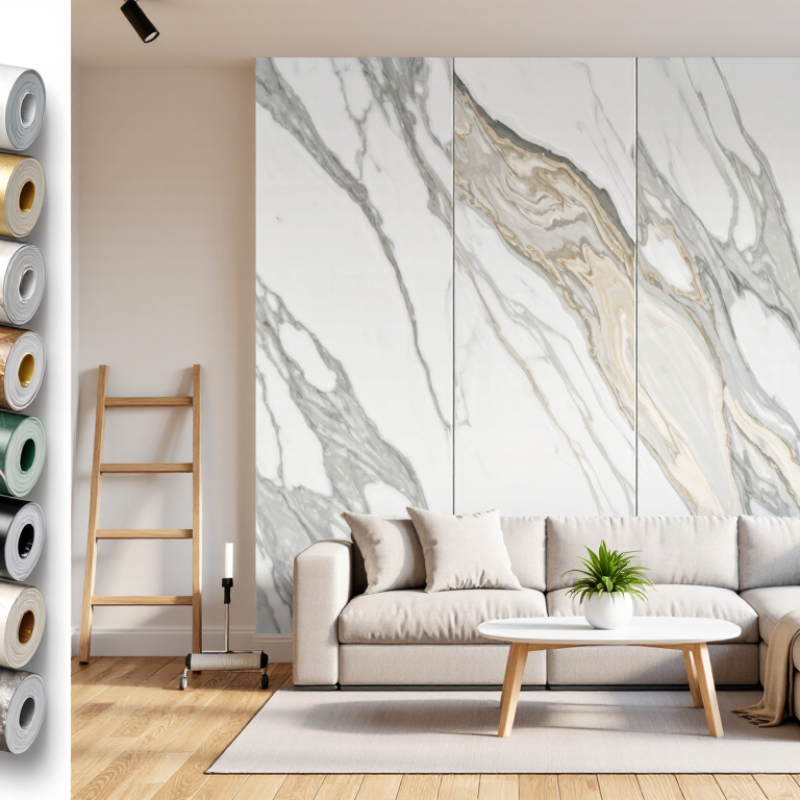
Marble wallpaper is a wall covering printed with patterns inspired by natural marble. It may be made from paper, nonwoven fibers, or vinyl, depending on its intended use. The pattern can imitate pale veining, dramatic dark streaks, or softly clouded stone. Some finishes are smooth; others add a slight embossed texture. Look closely at a sample. Printed veins may repeat across the roll, even when the design looks convincingly irregular online.
Natural stone is a solid material cut into slabs or tiles. Each piece has its own mineral markings, depth, and cool, firm feel. Wallpaper is lighter and usually simpler to cut and install, though seams can reveal a repeating pattern. It does not have the same weight, depth, or lasting surface as stone. That difference matters in bright rooms, where gloss and lighting can make a print look flatter than expected. Wallpaper can also be easier to replace if tastes change. Still, quality and cleaning requirements vary by material, so check the product details before choosing it for a damp or high-traffic area. A small sample helps. It may not show every variation in a full wall.
How Marble Patterns Are Printed or Formed on Wallpaper
Marble wallpaper recreates the veins, cloudy color shifts, and depth of natural stone on a paper or fabric-based surface. Most patterns are printed, not cut from marble.
Not real stone. The design may come from a photograph, a hand-painted artwork, or a digitally drawn pattern.
For printed wallpaper, the image is transferred with methods such as digital or roller printing. Digital printing can produce fine, irregular veins and subtle shifts from cream to gray. Roller printing can create consistent colors across larger runs, though small details may look less varied.
Some wallpapers add embossing, which presses a raised texture into the surface. It can catch light like a polished slab, but it does not reproduce the cool weight of stone. Pattern repeats matter, too; a prominent dark vein may recur every few panels. That can feel less natural than expected.
Tips: View a full sample in daylight and under your room’s evening lighting. Check where the pattern repeats before hanging. A slightly imperfect match at a corner may be noticeable, so plan seams around furniture or less prominent walls.
Main Types of Marble Wallpaper by Material and Backing
Marble wallpaper recreates stone veining with printed color and pattern, without the weight of a marble slab. Its appearance depends on both the surface material and the backing underneath. A matte paper surface can soften sharp veins, while coated vinyl often looks smoother and feels cooler. Check a sample beside your floor and under evening light. Gray veining can look blue in a dim room.
Paper wallpaper offers a natural, low-sheen finish, but it can tear during installation and marks more easily. Vinyl-surfaced options are generally easier to wipe clean; however, they are not automatically waterproof. Non-woven wallpaper uses textile fibers mixed with cellulose. It is often dimensionally stable and may be easier to remove. Small detail matters. A subtle mismatch at the seam can disrupt a large marble pattern.
Backing affects handling and removal. Paper backing needs careful pasting and can expand when wet. Non-woven backing is usually more stable, while fabric backing can add strength and texture. Peel-and-stick products use a pressure-sensitive adhesive, but dusty or uneven walls may weaken the bond. Grand View Research estimated the global wallpaper market at USD 1.8 billion in 2022 and projected 4.5% annual growth from 2023 to 2030. That market figure gives useful context, not proof that one backing performs best. For a real room, test a sample first. I would not skip that step.
Common Marble Colors, Veining Styles, and Surface Finishes
Marble wallpaper borrows the visual character of stone without adding the weight or installation demands of a slab. Its colors range from cool white and soft gray to warm beige, green, and deep charcoal. Pale designs can brighten a narrow hallway, while darker ones create a more intimate feel. Check samples beside your actual lighting: a gray that looks subtle online may appear blue near a window.
That matters.
Veining styles change the mood as much as color does. Fine, delicate lines feel quiet; broad, branching veins make a wall more dramatic. Some patterns repeat clearly, so inspect a full-width sample to see whether the joins will be noticeable.
Surface finishes also affect the impression. Matte prints tend to look softer and reduce glare, while satin or gloss finishes catch light and can resemble polished stone. In a sunny room, that shine may feel stronger than expected.
Textured wallpaper adds a tactile quality, though dust can settle into raised details.
Not always ideal.
I would compare samples at different times of day, since color and sheen can shift under warm lamps.
Where Marble Wallpaper Works Best in Interior Design
Marble wallpaper uses printed patterns to suggest the veins and cloudy shifts of natural stone. It is commonly made with paper, vinyl, or nonwoven backing, so texture, washability, and installation can vary. It is not stone. A sample helps reveal how the pattern changes under warm lamps and daylight.
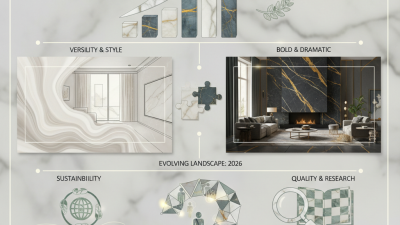
In living rooms, a marble-look feature wall can frame a fireplace, sofa, or dining nook without covering every surface. Choose softer grey or beige veining for a calm backdrop; bold black lines can compete with artwork and patterned upholstery. Small rooms benefit. A pale design may open up a narrow hallway, especially when the wall receives steady light. Still, glossy finishes can create glare near windows, and a large, dramatic pattern may feel colder than expected. I would test a sample first.
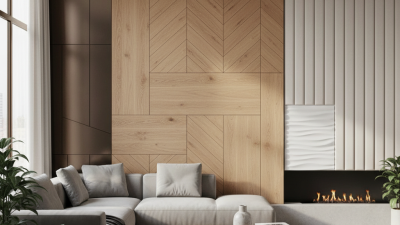
Bathrooms can suit moisture-resistant wallpaper on walls away from direct splashes, but check the material’s care guidance and room ventilation. In kitchens, use it on a breakfast-area wall rather than beside a hob or sink, where heat, grease, and water can make upkeep harder. Bedrooms often work well with muted marble behind the bed, paired with linen or wood to soften the stone effect. The pattern can look convincing from across the room, then surprisingly busy up close.