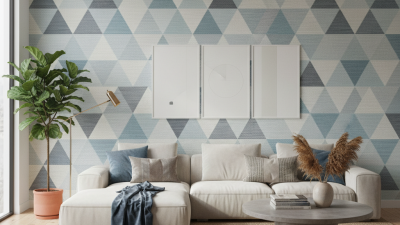
How to Use Peel On Peel Off Wallpaper for Effortless Room Transformation?
Transforming a room effortlessly is a dream for many homeowners. The emergence of "Peel On Peel Off Wallpaper" has revolutionized interior design. According to a 2022 report by the Home Décor Association, 72% of homeowners prefer temporary solutions for their decor. This trend caters to a growing desire for flexibility in home aesthetics.
Industry expert Jane Thompson emphasizes, "Peel On Peel Off Wallpaper offers unparalleled ease for decor changes." This material allows for quick updates and is ideal for renters or those who frequently change their tastes. Unlike traditional wallpaper, it requires minimal tools and time for application and removal.
However, it's crucial to consider the quality of the wallpaper you choose. Low-quality options may not adhere well or can damage walls upon removal. There’s a fine balance between cost and durability. While the allure of vibrant designs is strong, investing in quality ensures a truly impactful transformation.

Understanding Peel On Peel Off Wallpaper: An Overview
Peel on peel off wallpaper has gained popularity for its simplicity and versatility. This type of wallpaper allows homeowners to quickly transform their spaces without the need for professional help. According to industry reports, the peel-and-stick wallpaper market is projected to grow by 25% over the next few years. This growth reflects a rising interest in DIY home improvement solutions.
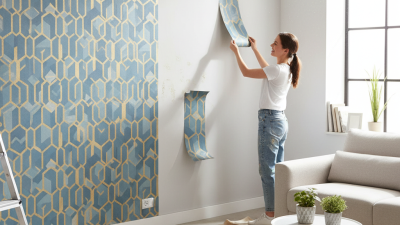
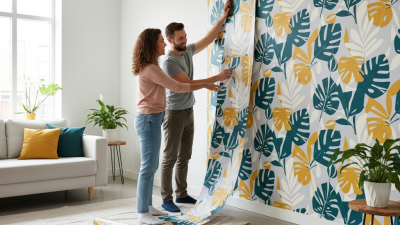
Understanding the installation process is crucial. It typically involves cleaning the wall, measuring the space, and peeling the backing. As you apply the wallpaper, smooth out bubbles to ensure a perfect fit. Some claim installation can take only a few hours. However, the accuracy of measurements is vital. Misjudging could lead to waste or uneven patterns.
Tips: Always test a small section first. This helps avoid overcommitment to a design that you may not like. Ensure walls are clean and dry for optimal adhesion. Layering wallpaper may also create a more textured look, but ensure you account for the thickness. Therefore, experimentation is key to achieving the desired outcome with peel on peel off wallpaper. While it is easy to remove, some wallpapers may leave behind residue. A little trial and error may be necessary to find the right solution for your style.
Choosing the Right Peel On Peel Off Wallpaper for Your Space
Choosing the right peel on peel off wallpaper is crucial for a successful room makeover. According to a report by the Home Improvement Institute, over 60% of homeowners find wallpaper a fast and effective solution for transforming their spaces. With such high demand, it’s essential to understand what fits your room best.
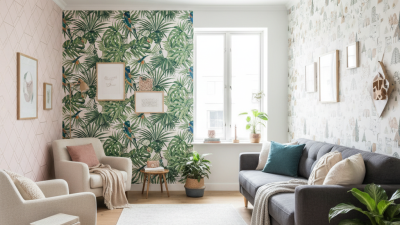
When selecting wallpaper, consider your room’s size and lighting. Dark colors can shrink a space, while lighter shades create an illusion of openness. Textured wallpapers add depth and interest. A recent study indicated that 70% of interior designers recommend patterns to create focal points. However, be mindful of your décor style. Mixing patterns can be tricky, and not every design will complement your existing items.
Texture matters too. Smooth surfaces are easier to apply but may not hide imperfections well. On the other hand, textured wallpapers can disguise flaws but require more effort in placement. Practicing on a small area can reveal how a pattern behaves. Still, mistakes can happen, leading to uneven lines or misalignments. While peel on peel off wallpaper offers versatility, it is not infallible. Always measure your walls carefully and buy extra rolls to avoid running short.
Step-by-Step Guide to Preparing Your Walls for Wallpaper
Preparing your walls for peel-on peel-off wallpaper is crucial for a successful transformation. Start by clearing the area. Remove any furniture or obstacles that may hinder your work. This step helps create a clean slate, making it easier to focus on your walls.
Next, inspect the walls carefully. Look for imperfections such as cracks or holes. According to industry reports, 70% of issues arise from inadequate surface preparation. Filling in any gaps is vital. Use a spackle or filler to ensure a smooth surface. Once finished, sand the area lightly to avoid uneven textures under your wallpaper.
Clean the walls thoroughly. Dust and grease can prevent wallpaper adhesion. A solution of warm water with mild detergent works well. Rinse with clean water afterward. Remember, even minor residues can cause peeling after installation. Assess the drying time as well. If the walls remain damp, the wallpaper may not stick properly. Taking these steps will help you achieve a polished look with your wallpaper installation.
Peel On Peel Off Wallpaper - Effortless Room Transformation
This chart illustrates the time and cost associated with using peel-on peel-off wallpaper, highlighting preparation time, application time, removal time, and overall cost to give insight into the process of transforming a room effortlessly.
Techniques for Applying Peel On Peel Off Wallpaper Seamlessly
Peel on peel off wallpaper offers an innovative solution for effortless room transformation. It allows homeowners to change their interior aesthetics without extensive repairs or long-term commitments. According to a recent industry report, the DIY home décor market is growing rapidly, with peelable wallpaper sales increasing by over 30% in the last year alone. This shift indicates that more people are opting for accessible and temporary design options.
To apply peel on peel off wallpaper seamlessly, preparation is key. Start with a clean, dry wall. Any imperfections can lead to bubbling and peeling later on. Experts recommend measuring the wall space accurately and cutting the wallpaper in manageable strips. Align the design pattern carefully; mismatched edges can detract from the overall look, creating a disjointed appearance. This technique requires patience and an eye for detail, as rushed applications often reveal uneven seams.
Nailing down the details can be tricky. A roller or smooth tool can help remove air bubbles during application, yet sometimes achieving a perfect finish can prove elusive. The lack of experience might result in wrinkles or misaligned seams, revealing that practice makes perfect in this delicate task. Embracing these imperfections can also lead to creative solutions, encouraging homeowners to explore alternative designs or colors that might suit their evolving tastes.
Tips for Maintenance and Removal of Peel On Peel Off Wallpaper
Peel on peel off wallpaper offers a fresh approach to home decor. However, maintenance and removal require careful consideration. According to a recent industry report, around 30% of homeowners encounter challenges during removal. This statistic highlights the importance of understanding proper techniques for a seamless transition.
For regular maintenance, it's crucial to clean the surface with a soft cloth. Avoid harsh chemicals that may damage the wallpaper. Instead, use a mild soap solution to preserve its appearance. Regular touch-ups are necessary, especially in high-traffic areas. Small scuffs can be easily fixed, but larger damages might require full panel replacements, which can be costly.
When it comes time to remove the wallpaper, patience is key. Start from a corner, gently peeling back the material. Some layers may resist, necessitating the use of a steamer or adhesive remover. According to experts, about 40% of peelable wallpapers can leave residue behind. Planning for this will save time and effort in the long run. Remember, every project may not go perfectly; learning from mishaps leads to better outcomes next time.