What is PVC Tiles and How Are They Used in Modern Interiors?
PVC tiles have emerged as a popular flooring choice in modern interiors. These tiles offer versatility, durability, and a wide range of styles. Homeowners and designers appreciate PVC tiles for both their aesthetic and functional benefits. They come in various colors and patterns, making it easy to find the perfect match for any space.
The appeal of PVC tiles lies in their resilience. They can withstand heavy foot traffic, making them ideal for busy areas like kitchens and hallways. Additionally, PVC tiles are easy to install and maintain, allowing for quick updates to one's home environment. Despite these advantages, some may question their long-term sustainability and environmental impact.
As more people make conscious choices in design, this topic deserves reflection. Understanding PVC tiles means exploring both their benefits and drawbacks. Ultimately, making informed decisions is crucial for creating inviting and functional spaces.
What is PVC Tiles? A Comprehensive Overview
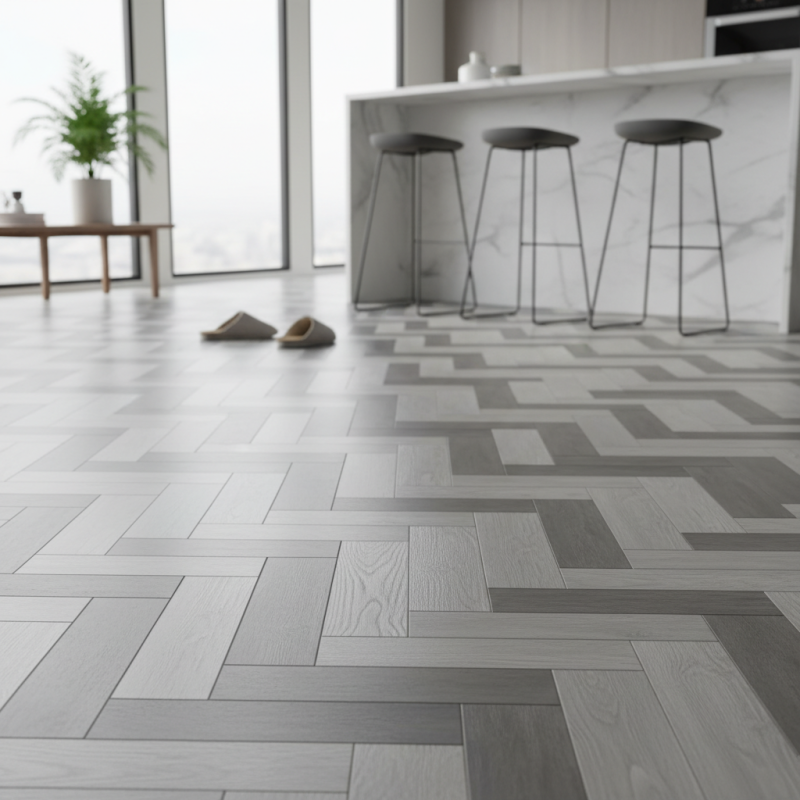
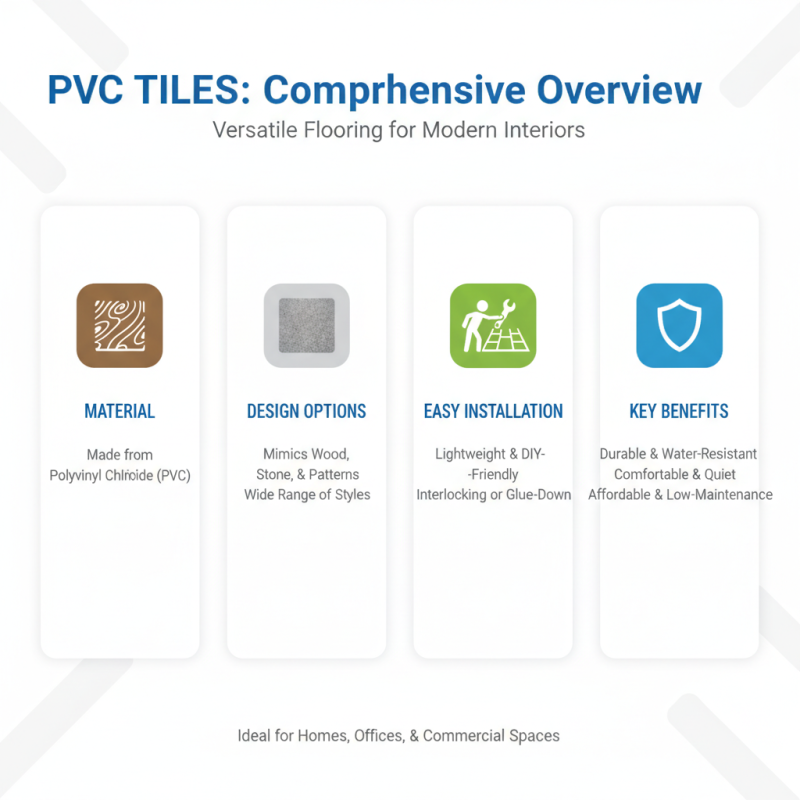
PVC tiles are a versatile flooring option gaining popularity in modern interiors. Made from polyvinyl chloride, they offer a range of styles and designs. These tiles mimic the look of wood, stone, or even intricate patterns, allowing for creative room aesthetics. Their lightweight nature makes installation straightforward, which can appeal to DIY enthusiasts.
In addition to aesthetics, PVC tiles are known for their durability. They are resistant to moisture, stains, and scratches. This makes them suitable for high-traffic areas like kitchens and living rooms. However, some users may find them less comfortable underfoot compared to traditional materials like hardwood or carpet.
Another consideration is their impact on indoor air quality. While many PVC products are designed to be low-VOC, concerns linger about off-gassing. Proper ventilation during installation can mitigate these issues. Users should research and select products that adhere to safety standards. Balancing appearance, practicality, and health factors is essential for achieving a successful interior design with PVC tiles.
The Composition and Manufacturing Process of PVC Tiles
PVC tiles are a popular choice for modern interiors. They are made from polyvinyl chloride, a durable plastic material. The manufacturing process involves several steps. First, raw PVC resin is mixed with additives to enhance its properties. These include stabilizers, plasticizers, and colorants. This mixture is then heated and molded into flat sheets.
After cooling, the sheets are cut into specific tile sizes. The patterned surface is often applied using printing techniques. This allows for a variety of designs and textures. Some tiles mimic natural materials like wood or stone. Their versatility makes them suitable for different spaces, from homes to commercial areas.
Despite their many advantages, PVC tiles are not without concerns. The environmental impact of PVC production is significant. Recycling options can be limited in some regions. Homeowners should weigh durability against these factors when selecting flooring. Understanding the composition of PVC tiles helps in making informed decisions.
Key Benefits of Using PVC Tiles in Modern Interiors
PVC tiles have gained traction in modern interiors due to their versatile nature. They mimic the appearance of natural materials like wood and stone, but are significantly more budget-friendly. This quality makes them accessible for various design projects, from residential to commercial spaces.
One of the key benefits of PVC tiles is their durability. They are resistant to scratches, moisture, and stains, making them ideal for high-traffic areas. Unlike traditional flooring, they don’t require frequent maintenance. An occasional sweep and mop are sufficient to keep them looking fresh. However, some users have reported issues with fading when subjected to direct sunlight.
Comfort is another notable advantage. PVC tiles often have a softer surface, making them comfortable to walk on. This feature can be particularly beneficial in homes with children or elderly individuals. Despite their advantages, not all PVC tiles offer the same level of comfort or aesthetic appeal. Selecting the right product requires careful consideration of quality and design elements.
Usage of PVC Tiles in Modern Interiors
Common Applications of PVC Tiles in Residential and Commercial Spaces
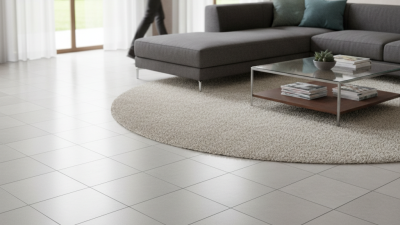
PVC tiles are becoming popular in both residential and commercial spaces. They are versatile and durable. Homeowners often choose PVC tiles for kitchens and bathrooms. They can mimic the look of wood or stone. This enhances aesthetic appeal without the high maintenance.
In commercial settings, PVC tiles are used in offices, retail stores, and hospitals. They are easy to clean and maintain. This is crucial in high-traffic areas. The slip-resistant options provide safety. However, some might find the design choices limited compared to natural materials.
Another application is in basements and laundry rooms. These areas benefit from the water-resistant nature of PVC tiles. Still, proper installation is key. Poorly installed tiles can warp over time. It’s important to consider the quality and application before making a choice.
What is PVC Tiles and How Are They Used in Modern Interiors?
| Application Area |
Description |
Benefits |
| Residential Spaces |
Used in kitchens, bathrooms, and living areas for flooring, wall coverings, and decorative accents. |
Water-resistant, easy to clean, and available in various designs. |
| Commercial Spaces |
Commonly used in offices, retail stores, and restaurants for flooring and wall coverings. |
Durable, cost-effective, and attractive appearance for high-traffic areas. |
| Educational Institutions |
Used in classrooms and hallways for flooring and wall protection. |
Safety features, easy maintenance, and varying design options to create inviting environments. |
| Healthcare Facilities |
Applied in hospitals and clinics for flooring in patient rooms and waiting areas. |
Hygienic, easy to disinfect, and slip-resistant. |
| Industrial Settings |
Used in factories and warehouses for flooring that can withstand heavy loads. |
Resistant to chemicals and abrasions, providing safety and functionality. |
Trends and Innovations in PVC Tile Design and Aesthetics
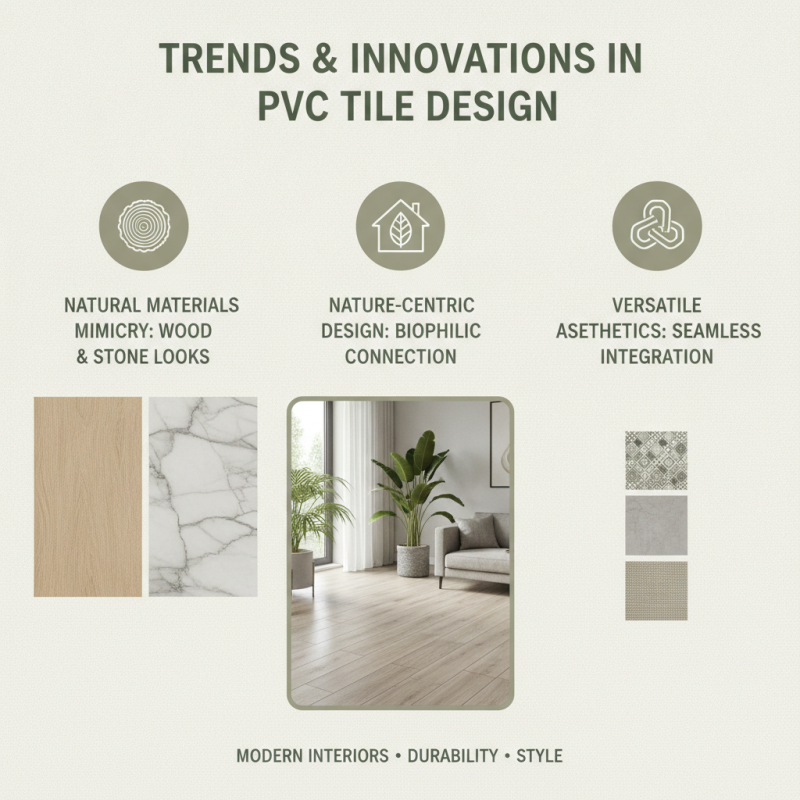
PVC tiles have transformed modern interiors with their versatility and aesthetics. Trends show an increasing interest in designs that mimic natural materials. Many choose options resembling wood or stone. This trend connects users with nature while offering practical benefits. The variety allows seamless integration into various decor styles.
In terms of innovations, PVC tiles are now available in striking patterns and colors. Graphic designs are becoming popular, adding a bold statement to spaces. Textured finishes enhance tactile experiences, encouraging interaction. However, one must be cautious when selecting designs, as clashes with existing decor can create a disjointed feel.
Tips for choosing PVC tiles include considering the room's purpose. For high-traffic areas, durability should be a priority. Experiment with combinations of colors and patterns, but avoid overwhelming the space. Reflect on how the tiles will interact with furniture and lighting. Simple designs often bring elegance, while extensive patterns can feel chaotic if not implemented thoughtfully.