What Are the Top Types of PVC Wallpaper?
Pvc Wallpaper is valued for its wipeable surface, varied finishes, and practical performance in busy rooms. Yet the name covers several constructions, and products can differ in thickness, backing, texture, and installation method. A smooth, paper-backed option may suit a dry bedroom wall, while a fabric-backed vinyl can offer added stability during installation. Some peel-and-stick designs use PVC-based surface layers, but their adhesive and base materials vary. Read the product specifications, not just the label.
This guide introduces the main types of PVC wallpaper and explains where each may work best. You’ll see how solid vinyl, paper-backed vinyl, fabric-backed vinyl, and self-adhesive designs compare in appearance and everyday care. Think of a kitchen wall near a sink: wipeability matters, but ventilation, seams, and the wall’s condition matter too. Not every PVC finish handles moisture equally well. Check the manufacturer’s guidance.
There are trade-offs. Heavier wallpaper can conceal small surface flaws, but it may require more careful trimming. Textured finishes add depth. They can also collect dust in grooves. The categories can blur, and product names are not always consistent. That is worth remembering. By comparing construction, room conditions, and maintenance needs, readers can make a more informed choice rather than selecting by pattern alone.
What PVC Wallpaper Is and How Its Layers Are Constructed
What Are the Top Types of PVC Wallpaper?
What PVC Wallpaper Is and How Its Layers Are Constructed
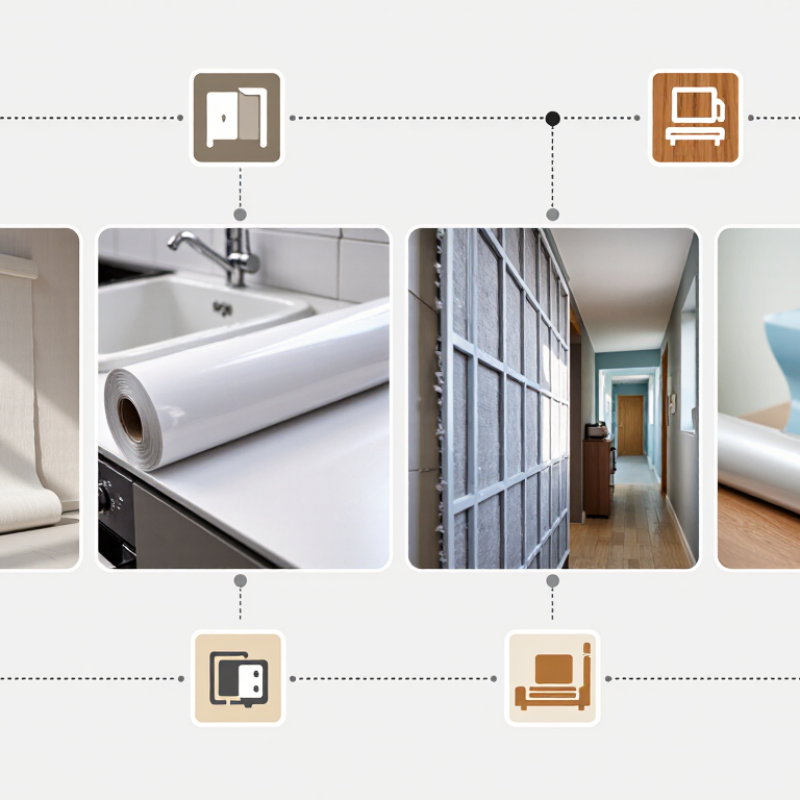
PVC wallpaper is a layered wallcovering, not a sheet of plastic alone. Most versions combine a paper or nonwoven backing with a polyvinyl chloride surface layer. The backing helps the wallpaper hold its shape and adhere to a wall. The PVC layer carries the printed pattern and may be embossed to create raised texture, such as linen-like ridges or small geometric grooves. Some products also have a clear protective finish. Construction varies, so check the product specification rather than assuming every PVC wallpaper has the same coating or thickness.
Grand View Research valued the global wallpaper market at about US$1.77 billion in 2022 and forecast continued growth through 2030. That market estimate covers wallpaper broadly; it does not measure PVC-layer performance. A report is not a product test.
In practice, the surface layer can make cleaning easier, but seams, backing, adhesive, and wall preparation still matter. “Water-resistant” also does not mean suitable for every damp room. Look for clear care instructions and, where indoor air quality matters, product-specific emissions information.
The details are easy to overlook. I would not judge a roll by its pattern alone.
How PVC Wallpaper Types Are Classified by Backing and Surface
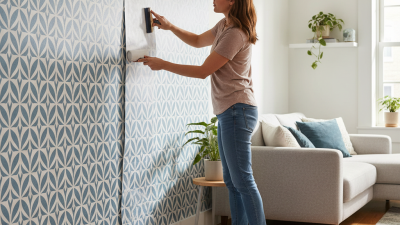
PVC wallpaper is easiest to compare by looking at two parts: the backing and the visible surface. The backing sits against the wall and affects handling, installation, and removal. Paper-backed types are often thinner and may need paste applied to the wallpaper. Nonwoven-backed versions are usually dimensionally stable, so they are less likely to stretch during hanging. Some heavier products use textile backing for added support. Check the label. Installation methods vary by product.
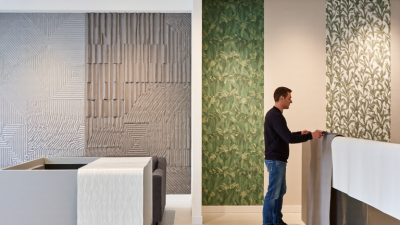
The surface is commonly classified as smooth, expanded, or embossed vinyl. Smooth PVC has a flatter finish and is easy to wipe, but it can reveal uneven walls. Expanded vinyl has a foamed layer that creates a softer, thicker feel and can disguise small surface flaws. Embossed finishes add raised patterns, such as fine linen-like grain or shallow geometric lines. These categories can overlap: an embossed surface may also be expanded.
When comparing samples, run a hand across the finish and inspect it under side lighting. That small test reveals texture and sheen better than a catalog image. Also check the stated cleaning guidance and suitability for the room. A wipeable surface does not make every wall moisture-proof; seams, ventilation, and wall preparation still matter. The distinction is useful, though not perfect, because manufacturers may combine backing and surface treatments in one product.
Paper-Backed PVC Wallpaper: Features and Common Uses
Paper-backed PVC wallpaper combines a printed vinyl surface with a paper base. The PVC layer gives patterns and colors a wipeable finish, while the backing helps the material hold its shape during installation. Grand View Research estimated the global wallpaper market at about US$1.75 billion in 2023; that figure covers wallpaper overall, not paper-backed PVC alone. This is useful context, but not proof of demand for any one type.
This wallpaper suits bedrooms, living rooms, and hallways where people want decorative detail and easier cleaning than plain paper offers. Think of a soft geometric pattern behind a bed, or a textured finish beside a busy entryway. It can handle light splashes, but seams and edges may suffer with repeated moisture. Not waterproof, though. It may also show dents or scratches in high-traffic spots, so it is not a perfect fit for every room.
Tips: Check the roll label for installation and cleaning instructions before buying. Match rolls by batch number, and test a small area first if the wall is uneven. A practical middle ground: choose a washable finish, but keep it away from showers and persistently damp walls.
Fabric-Backed and Solid Vinyl Wallpaper: Key Differences
Fabric-backed vinyl and solid vinyl are often compared as if they were separate materials, but the terms describe different features. “Fabric-backed” refers to the layer behind the vinyl surface; “solid vinyl” usually describes a thicker, vinyl-rich construction. A wallpaper can therefore have a vinyl surface and a fabric backing. That distinction is easy to miss.
Fabric backing can make a wallcovering more stable during hanging and less prone to tearing as it is positioned. It may suit busy rooms where walls need frequent cleaning, though performance depends on the surface coating and product specifications. A heavier roll can also take more effort to handle. Check the installation instructions before choosing paste or planning removal.
Solid vinyl is valued for its substantial feel and resistance to everyday scuffs and moisture. It can work well in kitchens, hallways, or other high-use spaces, but “solid” does not mean indestructible or waterproof. Seams and edges still need careful installation. Look closely at the sample: feel its weight, inspect the backing, and ask how it should be cleaned. I would not choose by label alone. Construction details vary, and the right option depends on the room, wall condition, and maintenance you can realistically manage.
Vinyl-Coated and Textured PVC Wallpaper: Practical Characteristics
Vinyl-coated PVC wallpaper has a paper or fabric base covered with a thin vinyl layer. This coating gives the surface better resistance to everyday splashes and makes many marks easier to wipe away. It suits busy hallways, kitchens, and rental spaces where walls get frequent contact. Still, it is not waterproof. Water can seep through seams or damaged edges, so it is a poor fix for persistent dampness. Some finishes also look noticeably shiny under bright ceiling lights. That may feel less welcoming than expected.
Tips: Test a small sample on the wall and view it in daylight and evening light. Clean gently with a soft, damp cloth, and follow the care instructions for that specific wallpaper. Keep seams dry and check them occasionally.
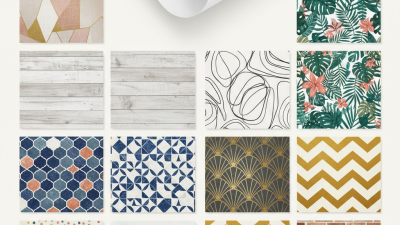
Textured PVC wallpaper adds raised patterns, from fine linen-like grains to deeper geometric shapes. The texture can soften the look of a plain room and make minor wall irregularities less obvious. It will not hide serious cracks or uneven plaster, though. Deeper grooves may collect dust and need careful cleaning. Texture also changes how colors appear: shadows can make a pale pattern look darker in corners. Choose a sample before covering a large area, especially if the room has limited natural light. A pattern that looks subtle in a shop can feel busy across an entire wall.