
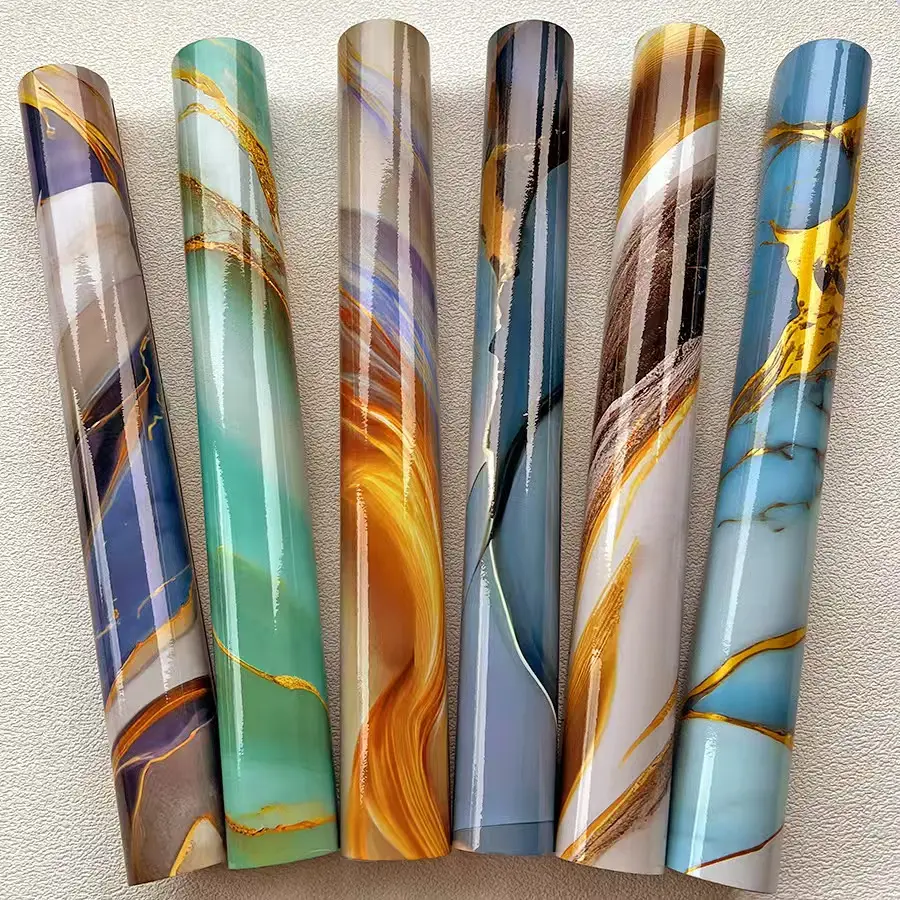



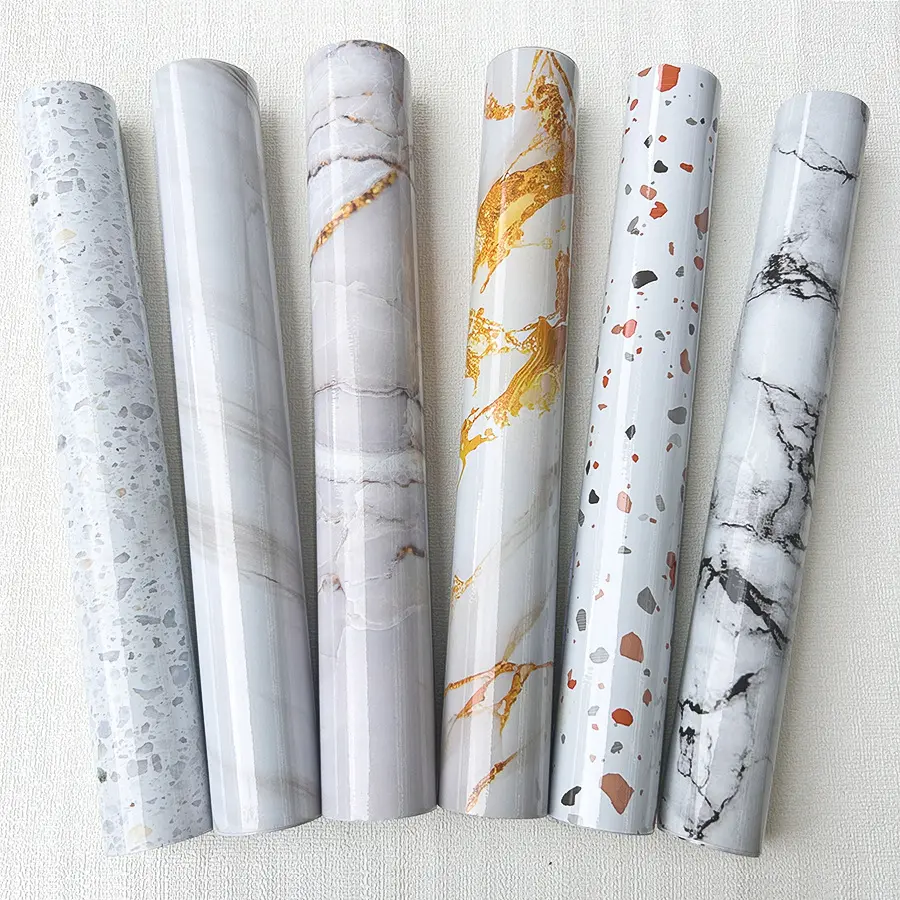
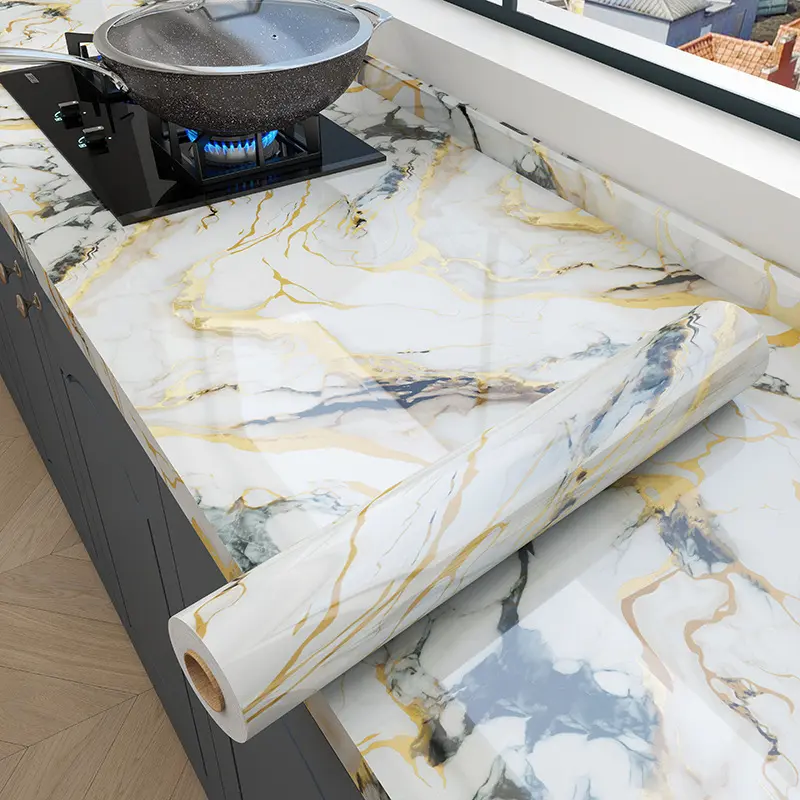
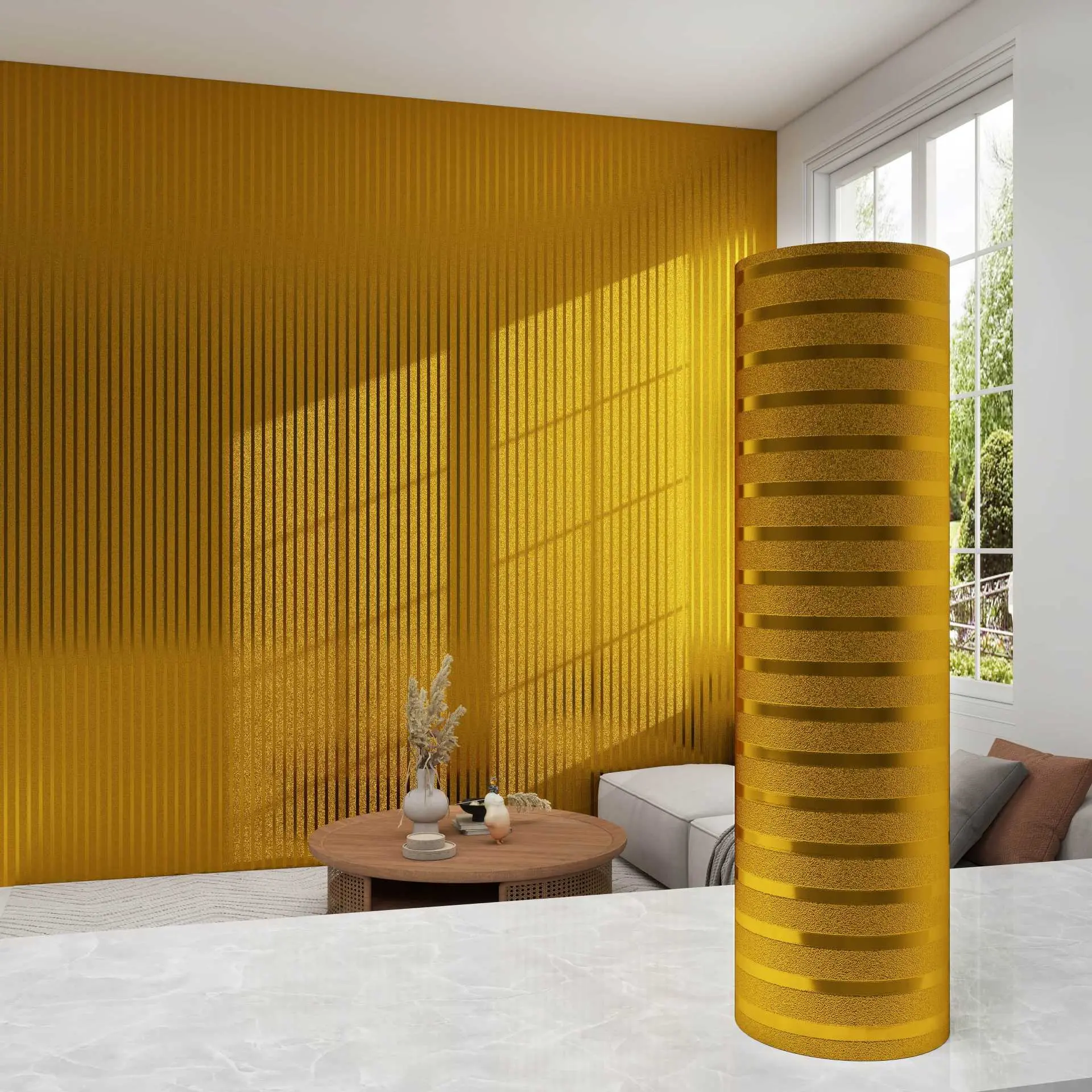
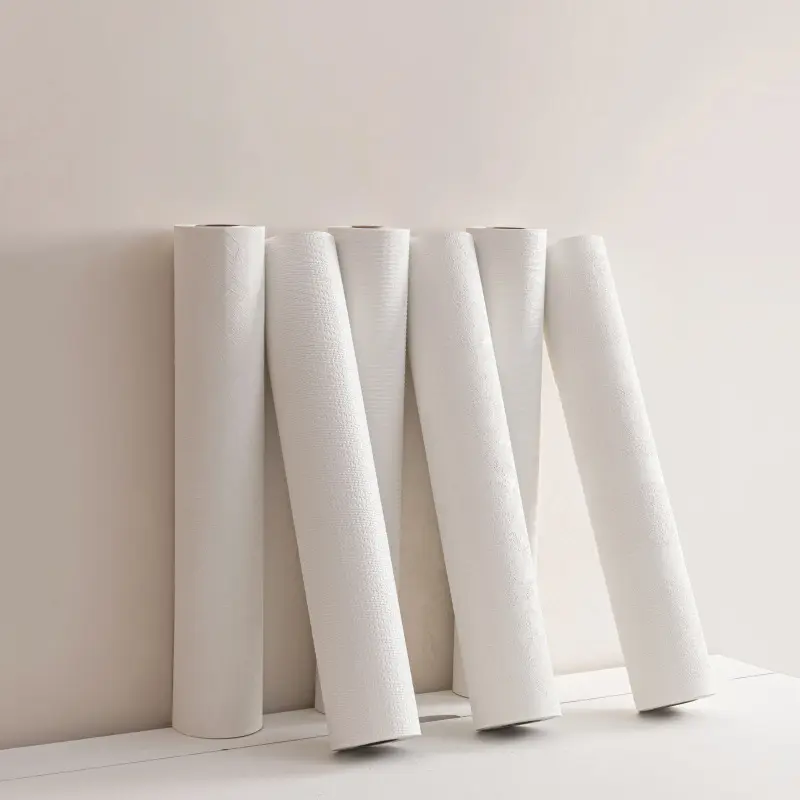
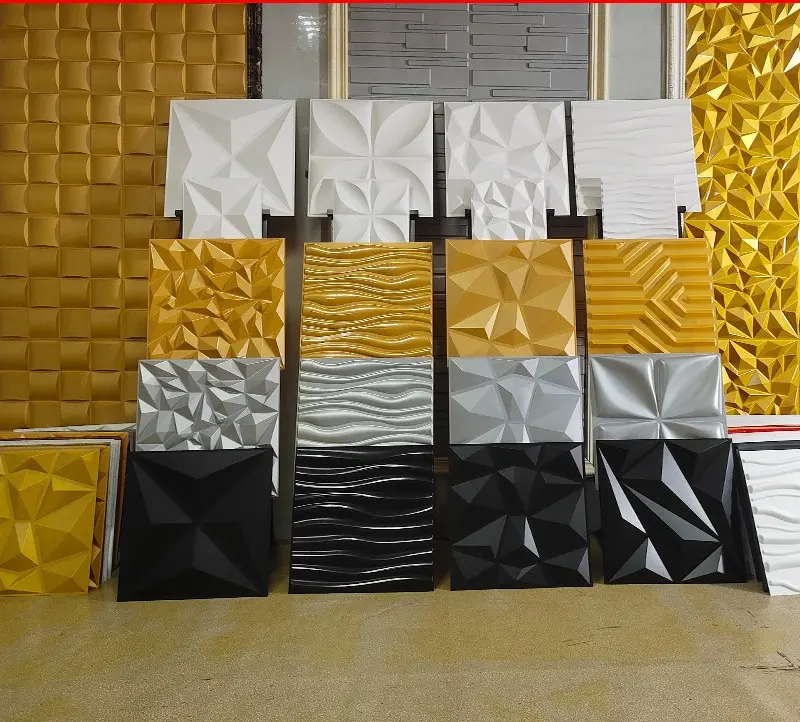
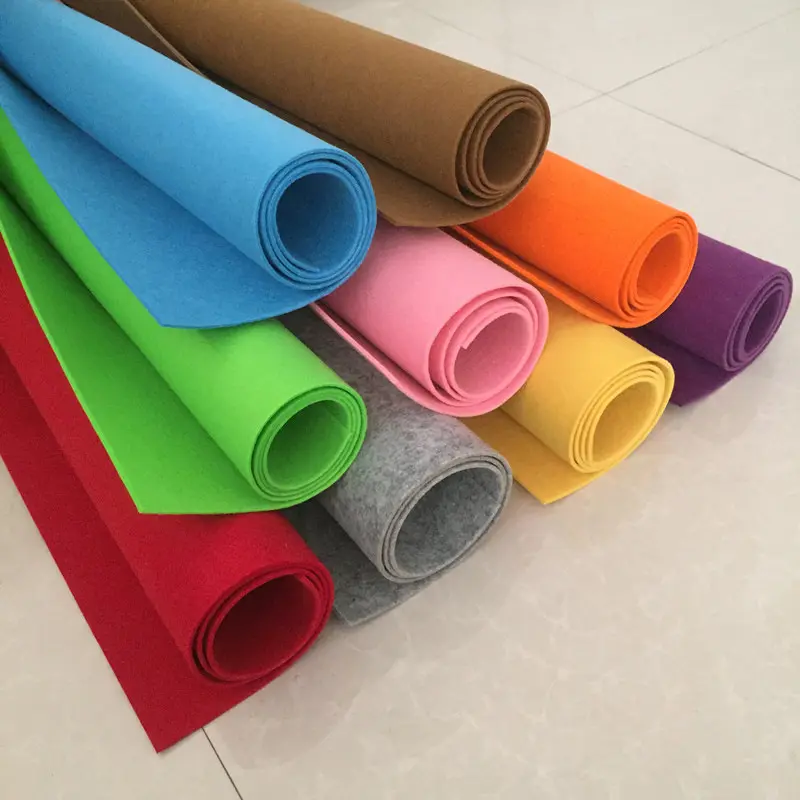
The skirting board and waistline industry is experiencing structural growth, with smart and environmentally friendly products becoming new consumer favorites.
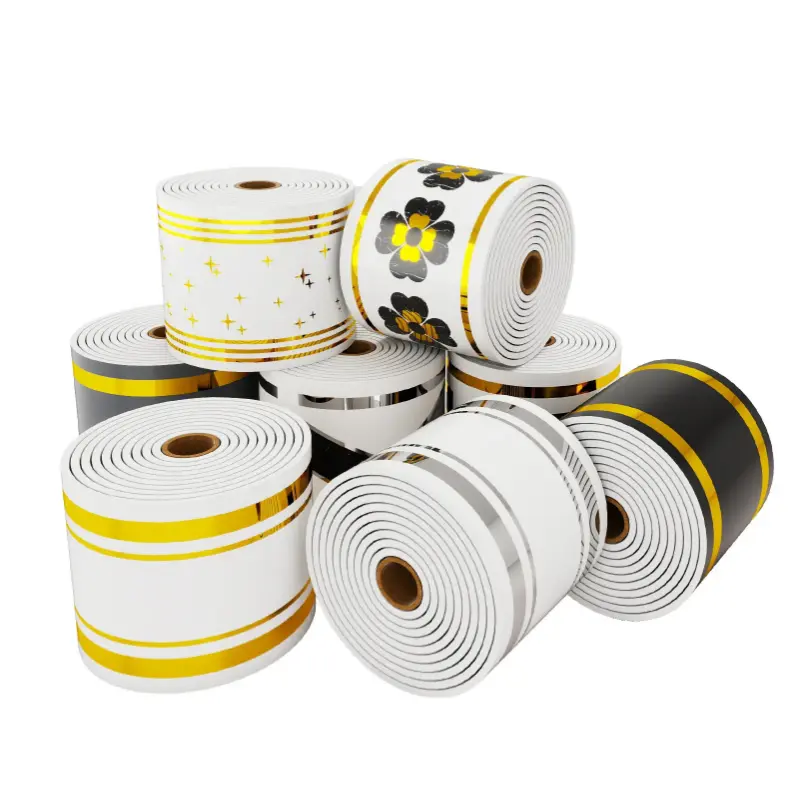
Driven by both home aesthetic upgrades and green building materials policies, baseboards and border walls, once considered auxiliary decoration materials, are undergoing industry transformation. Latest market data shows that the wall border wall market is projected to steadily climb from 4.86 billion yuan in 2024 to over 8.93 billion yuan by 2030, with an average annual compound growth rate of 10.5%. The baseboard industry is also showing a high growth rate of 12.8%, with both categories jointly ushering in a new era of integrated development combining "function + aesthetics + intelligence."
Market Structure Optimization: Mid-to-High-End Products Become Growth Engines
Industry data shows that the baseboard and waistline market is shifting from being dominated by traditional materials to a diversified upgrade. Both policy and consumer demand are driving this growth. The green building development plan is promoting the improvement of the environmental protection material certification system. Currently, environmentally friendly products meeting E0 or ENF standards account for 76%, and it is estimated that by 2027, products with green building material labels will account for more than 40% of the total market. Simultaneously, the increased proportion of pre-furnished apartments and the release of demand for renovations in existing homes have created a synergistic effect. In 2024, the penetration rate of waistlines in pre-furnished residential projects reached 47%, and even higher at 68% in the mid-to-high-end Home Decoration market. The baseboard matching rate exceeded 73%, an increase of 19 percentage points compared to 2019.
Product Innovation and Iteration: Functional and Aesthetic Breakthroughs Achieve Dual Breakthroughs
Design innovation has upgraded baseboards and waistlines from "spatial supporting roles" to "decorative protagonists." Color combinations are becoming more diverse, with light gray baseboards becoming a "versatile" choice due to their compatibility with 83% of modern interior design styles. New baseboard products in Morandi and wood grain color schemes continue to be popular, satisfying individual aesthetic needs. Technological upgrades are driving the integration of functions. Smart baseboards have become a new trend in the industry, with continuous innovation in details enhancing product added value.
Upgrading Consumer Demands and Gradual Growth in Regional Markets
Consumers' pursuit of spatial aesthetics and quality of life is driving the transformation of products towards "design-oriented main materials." Data shows that in 2025, consumer demand for "spatial layering" and "wall art" increased by 83% compared to 2020, and the average length of the baseboard used per residential unit increased from 15.7 linear meters in 2020 to 22.5 linear meters in 2024.
Industry experts point out that in the next five years, the skirting board and waistline industry will accelerate its evolution towards intelligence, modularity, and artistry. AI-assisted design and 3D printing technology will lower the barriers to customization, while Chinese cultural elements and cross-border art collaborations will dominate aesthetic trends. As Generation Z becomes the main consumer force, companies need to continuously invest in cultural IP operation and green technology research and development to occupy a strategic high ground in the structural growth cycle.