How to Choose the Best Kitchen Wallpaper?
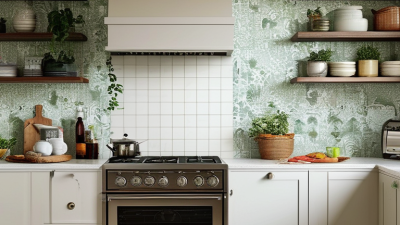
Choosing Kitchen Wallpaper means balancing appearance with the daily demands of cooking. A leafy print may brighten a narrow breakfast nook, while a small geometric pattern can add interest behind open shelves. But color and pattern are only part of the decision. Kitchens face splashes, changing temperatures, and regular cleaning. A delicate paper may look lovely on a sample card, then disappoint near a sink. That detail matters.
This guide explains how to compare wallpaper materials, finishes, patterns, and placement before you buy. It also considers washable surfaces, light levels, and how a design works with cabinets, countertops, and flooring. Check the manufacturer’s care instructions, and order a sample when possible. View it in morning and evening light. Small tests help. Still, no material is completely carefree, and even practical wallpaper may need careful installation and gentle cleaning. Think about the wall itself, too: uneven surfaces can show through thin designs, and damp areas may call for another finish. The right choice depends on your room, your routine, and the look you want to live with—not just a trend online. There may be trade-offs. A bold pattern can bring warmth, but it can also feel busy; a pale design can open up a room, yet show marks more easily. Use these considerations to make a clear, informed choice for your kitchen.
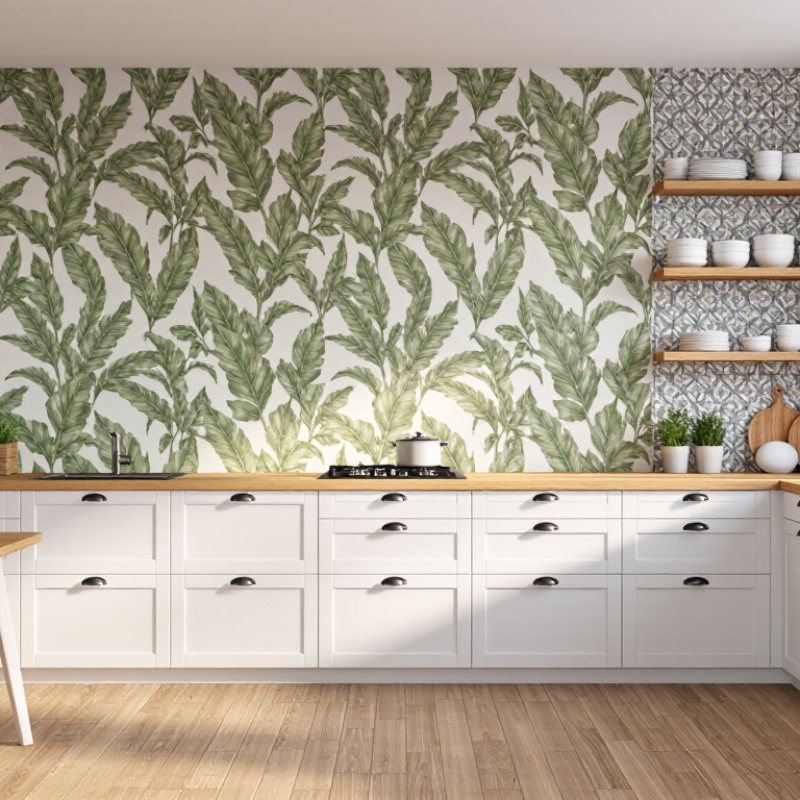
Assess Your Kitchen’s Conditions and Wallpaper Requirements
Before choosing a pattern, note where steam, splashes, and heat reach your kitchen walls. A wall beside the sink faces repeated droplets; the area near a cooktop may collect grease and warmth. Look for peeling paint, damp patches, or hairline cracks, since wallpaper cannot fix a failing surface. Check ventilation too. A room that stays humid after cooking may need better airflow before paper goes up.
Match the wall’s exposure to a suitable wallpaper and its care instructions. Vinyl-coated or washable paper can be easier to wipe, but “washable” does not mean scrub-proof. Test a hidden area with a damp cloth, and check that the recommended cleaning method suits your routine. Keep delicate paper away from direct splashes; a tiled or painted backsplash may work better there. Uneven walls can also show through at the seams.
Measure carefully, then inspect the wall in daylight; side lighting can reveal bumps missed at night. Take a sample home. Colors may look warmer under evening bulbs, while busy patterns can feel crowded in a narrow kitchen. Check that the adhesive and wallpaper are both suitable for the wall and room conditions. Even careful planning can miss something. A small test patch may save a frustrating repair later.
Compare Wallpaper Types for Heat, Moisture, and Durability
Kitchen wallpaper faces steam, splashes, grease, and changing temperatures. Vinyl-coated wallpaper is a practical choice for many kitchens because its surface can usually be wiped clean. Check the care instructions before scrubbing; some coatings tolerate only gentle cleaning. Solid vinyl is often more resistant to moisture and wear, but seams still need careful installation. Water can work behind them. That matters near sinks.
Nonwoven wallpaper is easier to hang and remove, but many versions are less suited to frequent splashes unless their surface is washable. Paper wallpaper offers fewer moisture protections, so it may work better in a dry dining nook than beside a busy stove. Keep any wallpaper away from direct heat and open flames, and follow the product’s temperature and placement guidance. A textured pattern can hide small wall flaws, yet it may trap grease and take longer to clean. Smooth finishes are less charming to some people. They are often simpler to maintain. Good ventilation helps limit steam, but it cannot make a delicate covering waterproof. Consider how your kitchen is actually used, including the splash zone and distance from cooking surfaces; even durable wallpaper can disappoint in the wrong spot.
Choose Colors and Patterns That Suit the Space
A kitchen’s light can change a wallpaper color more than expected.
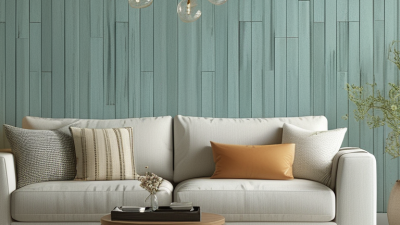
Check a sample in the morning and again at night. In a narrow kitchen, pale shades and quiet patterns can make walls feel less crowded. Warm whites, soft greens, and muted clay tones often sit comfortably beside wood or stone. Cool colors may balance honey-colored cabinets, but can look flat in a dim room. Test before deciding. Small change, big difference.
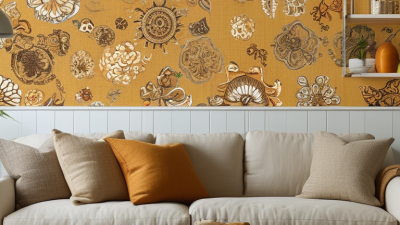
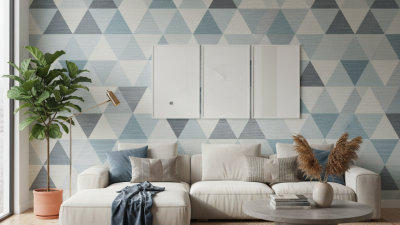
Pattern scale matters, too. Tiny repeats can add texture without competing with busy counters or open shelves. A larger botanical or geometric print needs more uninterrupted wall space to feel intentional. If cabinets already have strong grain or bold color, choose a simpler motif. For a calmer effect, repeat one wallpaper color in towels or a small rug. Keep detailed paper away from the sink and cooking area, where splashes and grease can make cleaning difficult. Check the wallpaper’s care instructions before buying. Still, rules can mislead; a sample that looks too bold in a shop may feel balanced on your own wall.
Review Cleaning, Safety, and Installation Needs
How to Choose the Best Kitchen Wallpaper?
Review Cleaning, Safety, and Installation Needs
Kitchen wallpaper has to handle more than a pretty view. Steam, oil splashes, and sticky fingerprints collect near sinks and cooking areas. Look for a surface labeled washable or scrubbable, and check the care instructions before buying. A damp cloth may be safe, while abrasive pads can dull the finish. Test your cleaning method on an offcut first. It is a small step, but easy to skip.
Safety depends on placement and product guidance. Keep wallpaper away from open flames and surfaces exposed to strong, direct heat. For a wall behind a stove, check the appliance and wallpaper instructions; a heat-resistant backsplash may be more suitable. Also consider ventilation. Kitchens can stay humid, so choose a material appropriate for the room and fix leaks or condensation before installation. No finish can compensate for a persistently damp wall.
Installation begins with a clean, dry, smooth surface. Remove grease with a suitable cleaner, let the wall dry fully, then fill dents and apply primer if the wallpaper instructions call for it. Measure carefully around cabinets and outlets, and use the recommended adhesive. Keep a level nearby; small alignment errors show quickly along cabinet edges. Leave seams snug, not stretched. I might still misjudge a pattern repeat, so order enough material to match it and keep a spare piece for later repairs.
Measure the Walls and Plan Wallpaper Placement
Measure each kitchen wall separately, from corner to corner and floor to ceiling. Record the dimensions in inches, then note windows, doors, cabinets, outlets, and the backsplash edge. Kitchens often have uneven corners or shallow recesses, so one room-wide estimate can miss narrow strips. Houzz’s 2024 U.S. Houzz & Home Study reported that 54% of surveyed homeowners renovated in 2023. That scale of activity is a reminder to plan materials carefully before work begins.
Sketch each wall and mark where the wallpaper will stop, such as at a cabinet, window trim, or backsplash. Check the wallpaper’s stated roll coverage and pattern repeat; matching a large motif can increase offcuts. Don’t assume that subtracting every window or door gives an accurate roll count. Small areas may still need full-width strips, and walls may not be square. I’ve found that a quick paper sketch catches awkward seams, though it won’t replace checking measurements on site.
Tips: Measure the wall height in several places and use the tallest reading. Add a little extra for trimming, pattern matching, and mistakes. Compare your sketch with the actual kitchen before ordering; I sometimes miss a small return wall on the first pass.