Leave Your Message

7 Tips for Buying Peel On Peel Off Wallpaper

Buying Peel On Peel Off Wallpaper can feel simple until the first panel meets an uneven wall. A beautiful pattern may still fail when measurements, surface preparation, or adhesive quality are overlooked. This guide explores seven practical tips for choosing a removable design with greater confidence. It focuses on real decorating conditions, including rental rooms, children’s spaces, narrow hallways, and humid bathrooms.

Elizabeth Rees, co-founder of removable-wallpaper brand Chasing Paper, has described the category as “a low-commitment way to make a big impact.” That idea matters. Peel On Peel Off Wallpaper can refresh a tired room without paint fumes or permanent damage, but it is not magic. Dust, textured plaster, and rushed installation can leave bubbles, lifted corners, or visible seams. Small details matter.

Expect a few surprises.

Before ordering, readers should check the wall finish, calculate extra material, and request samples in natural daylight. Colors can appear warmer near a lamp and cooler beside a window. Pattern repeats may also look different across a large wall. A removable product should peel cleanly, yet removal depends on paint condition and application time. Most guides ignore that uncertainty. This one does not. It encourages careful testing, honest expectations, and a willingness to pause when the surface feels wrong. The following seven tips will help shoppers compare materials, plan installation, avoid waste, and choose a design that still feels right months later.
7 Tips for Buying Peel On Peel Off Wallpaper

Understanding Peel-On Peel-Off Wallpaper and Its Uses

7 Tips for Buying Peel On Peel Off Wallpaper

Understanding Peel-On Peel-Off Wallpaper and Its Uses

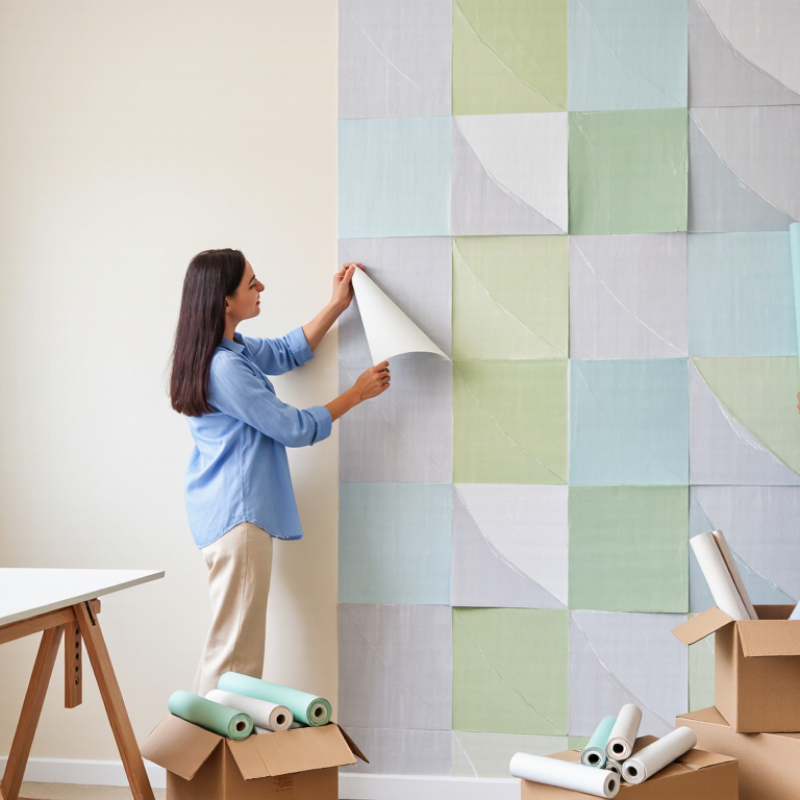
Peel-on peel-off wallpaper uses a pressure-sensitive adhesive rather than permanent paste. You align the sheet, press it onto the wall, and remove it by lifting a corner slowly. This makes it useful for rental homes, nurseries, home offices, and temporary event spaces.

Flat walls matter. Dust, grease, and loose paint can weaken the adhesive. Before buying, inspect the surface under bright light and wipe it with a slightly damp cloth. Let it dry completely. Test a corner. A small sample can reveal poor adhesion, color differences, or difficult removal before you cover an entire room.

Measure the wall carefully, including windows and door frames. Extra material helps with pattern matching and trimming. Vinyl-coated paper usually handles light cleaning better, while thinner sheets may show bumps beneath them. Avoid placing removable wallpaper in constantly wet areas unless the product instructions specifically allow it.

Removal is not magic. Warm rooms often make the adhesive more flexible, but pulling too quickly can lift paint or leave residue. I once underestimated an uneven wall and spent longer smoothing bubbles than expected. That mistake changed my buying habit: I now check wall texture, read the care instructions, and keep the receipt. Reuse may be possible, but repeated application can reduce stickiness and distort the backing. Thin strips around shelves, cabinets, and accent walls are often easier to manage than full-room installation.

Checking Wall Conditions and Room Requirements Before Buying

7 Tips for Buying Peel On Peel Off Wallpaper

Before buying peel on peel off wallpaper, inspect the wall in daylight. Run your hand across it. Small bumps may show through thin wallpaper. Dust, grease, flaking paint, and loose plaster can weaken adhesion. Clean the surface with a mild cleaner, then let it dry completely. Fresh paint may need several weeks to cure, depending on the paint and room conditions.

Test a small sample in an unseen corner. This reveals whether the adhesive grips evenly and removes without lifting paint. I once skipped this step and blamed the wallpaper for a rough, poorly prepared wall. That was a mistake.

Smooth, sealed, and firmly painted surfaces usually provide more predictable results. Avoid applying wallpaper over damp areas, textured finishes, or unstable wallpaper layers.

Room conditions matter too. Kitchens and bathrooms need careful checking because steam and temperature changes can affect adhesion. Keep the wall dry and improve ventilation when necessary.

Measure around windows, doors, sockets, and corners before ordering. Allow extra material for matching patterns and correcting mistakes.

Check the installation guide for temperature limits and removal instructions. Not every removable product suits every room. A quiet bedroom may be easy; a humid laundry area may require more caution. Plan slowly. Walls rarely forgive rushed preparation.

Comparing Materials, Adhesives, Sizes, and Removal Features

When choosing peel-on, peel-off wallpaper, compare the face material before admiring the pattern.

Paper feels natural and suits dry, smooth rooms, but it can tear during adjustment. Vinyl usually handles light moisture better and wipes clean more easily. Fabric-based surfaces may hide tiny wall flaws, although their texture can make seams harder to align.

Adhesive deserves equal attention.

Some formulas grip firmly, while others allow several repositioning attempts. I once pressed removable wallpaper onto a dusty wall and blamed the adhesive when the edges lifted. That was a mistake. Clean the surface, let it dry fully, and test one small corner first. Test a corner. The wall finish also matters; fresh paint may need extra curing time before installation.

Measure twice. Room dimensions rarely match the advertised roll size exactly. Wider panels create fewer seams, but they may become awkward around outlets, corners, or sloped ceilings. Smaller panels are easier to handle and replace, though repeated seams can expose slight pattern errors. For removal, look for clear instructions about pulling direction, temperature, and residue. Warm air can soften some adhesives, but excessive heat may damage paint. I prefer removing a sample after twenty-four hours, then waiting longer before covering the whole wall. No product is completely risk-free. A clean, removable finish depends on the material, adhesive, wall condition, and patient installation.

Matching Patterns, Colors, and Coverage to Your Space

Pattern, color, and coverage determine whether peel-on, peel-off wallpaper feels intentional or overwhelming. Start by studying the room’s natural light at different times. Warm sunlight can soften beige, while cool shadows may make gray appear blue. Order or prepare a sample and place it beside the sofa, flooring, and trim. Keep it there overnight. A quick glance is not enough.

Large patterns can make a small wall feel dramatic, but they also create more visible seams. Small repeats usually suit narrow spaces, hallways, and partial walls. Match the repeat before cutting each panel, especially around corners and windows. I once measured only the wall width and underestimated the pattern repeat. The result created unnecessary waste. Measure height, width, openings, and the repeat distance. Add about 10 percent for trimming and mistakes.

Coverage should follow the room’s purpose. Use a calm pattern on all walls, or reserve a bold design for one feature wall. Pale colors reflect more light, while deeper tones can make a large room feel closer and warmer. Check the wall surface carefully. Dust, grease, and rough patches can weaken adhesion and cause lifting. Clean the surface, repair small dents, and let it dry fully. Removable wallpaper is forgiving, but not magic. Reposition one panel slowly, and avoid stretching it. Thin air bubbles may disappear, though stubborn creases often need careful smoothing or a fresh panel.

7 Tips for Buying Peel On Peel Off Wallpaper - Matching Patterns, Colors, and Coverage to Your Space

Tip Buying Focus Useful Data to Check Example Measurement or Comparison Recommended Action
1 Measure the wall before choosing the quantity Wall area = wall width × wall height. Subtract large doors and windows, but keep a small allowance for trimming. A wall measuring 12 ft wide × 8 ft high has a surface area of 96 sq ft. Measure each wall separately and add approximately 10% for cutting and installation waste before purchasing.
2 Compare coverage, not only roll count Check the usable width and length of each roll or panel. Nominal coverage does not include trimming or pattern waste. A roll measuring 24 in wide × 18 ft long covers 36 sq ft before waste. For a 96 sq ft wall, 96 ÷ 36 = 2.67, so purchase at least 3 rolls before adding extra pattern allowance.
3 Match the pattern repeat to the room size Pattern repeat is the vertical distance before the design repeats. Match types commonly include straight match, drop match, and random match. A 20 in repeat requires more alignment trimming than a 0 in random match. Choose random or small-repeat designs for narrow walls and beginners; allow roughly 15–25% extra material for large or drop-match patterns.
4 Test colors in the room’s actual lighting Natural daylight, warm bulbs, and cool bulbs can change how a color appears. Light Reflectance Value, or LRV, runs from 0 for very dark surfaces to 100 for highly reflective white surfaces. A pale color with an LRV near 70 generally reflects more light than a medium color with an LRV near 40. Place a sample on at least two walls and view it in morning, afternoon, and evening light before ordering the full quantity.
5 Coordinate the color with the room’s fixed elements Compare the wallpaper with flooring, cabinets, countertops, upholstery, and trim. Use undertones such as warm, cool, gray, beige, or green to identify compatibility. Warm beige wallpaper can complement wood and cream finishes, while blue-gray wallpaper may coordinate better with cool white or metal accents. Select one dominant color, one supporting color, and one accent color instead of matching every surface exactly.
6 Account for doors, windows, corners, and mistakes Openings reduce surface area, but smaller offcuts may not be reusable when a pattern must align across the wall. A 3 ft × 6.7 ft door removes about 20 sq ft, but matching cuts around the door can still create waste. Add 10% for simple designs and up to 25% for large repeats, angled cuts, or multiple corners.
7 Check removability and prepare the surface Peel-on, peel-off wallpaper generally performs best on smooth, clean, dry, fully cured, and reasonably flat surfaces. Texture, dust, moisture, and fresh paint can reduce adhesion. Allow new paint to cure for the period specified by the paint manufacturer; many projects require at least 2–4 weeks. Order a sample, apply it to a discreet area, wait at least 24–48 hours, and test removal before covering the entire space.
Quick planning formula: Estimated quantity = (total wall area × waste allowance) ÷ usable coverage per roll. Always round up to a whole roll or panel and keep a small leftover piece for future repairs.

Reviewing Samples, Costs, Safety, and Seller Policies

Before ordering peel-on, peel-off wallpaper, request a physical sample. Screens can distort color, texture, and gloss. Place it near a window, lamp, and existing furniture. Peel one corner after several days. Watch for lifted edges, paint transfer, or sticky residue. I once trusted a digital preview and underestimated the pattern scale. That mistake was expensive.

Compare the sample price with the full-roll cost, shipping, tools, and possible waste. The U.S. National Association of Home Builders reports that material prices remain a major factor in renovation budgets. Measure each wall twice, then add extra material for matching patterns and damaged sections. A cheaper roll may cost more after returns and replacement orders. Ask whether unused rolls can be returned, who pays return shipping, and whether opened packaging is excluded. Request written policies, not casual promises.

Safety deserves equal attention. The U.S. Environmental Protection Agency notes that indoor pollutant levels can be two to five times higher than outdoor levels. Choose products with clear VOC testing, installation instructions, and a current safety data sheet when available. Avoid covering damp walls, peeling paint, or poorly ventilated rooms. Check fire-performance information for bedrooms and rental properties. Seller policies should explain adhesive failure, color variation, warranty limits, and batch matching. Documentation matters. Still, no report replaces a small wall test. I would test removal behind furniture first, because “removable” does not always mean damage-free.

7 Tips for Buying Peel-On, Peel-Off Wallpaper

Review samples, estimate costs, check surface safety, and read seller policies before placing an order.

Typical planning ranges for a 100-square-foot project are shown in U.S. dollars. Wallpaper, samples, preparation supplies, shipping, and a small removal or repair contingency can all affect the final cost. Always test a sample on a clean, dry area first, confirm the surface is suitable, avoid covering damp or damaged walls, and review return, restocking, and removal policies before buying.

  • Order a sample to check color, texture, pattern scale, and adhesion.
  • Measure the wall and add extra material for matching patterns and mistakes.
  • Check whether the surface is smooth, clean, dry, and previously painted.
  • Look for application and removal instructions before installation.
  • Compare the full project cost, including tools, shipping, and waste.
  • Read seller policies for returns, damaged rolls, opened packages, and unused samples.
  • Remove slowly and stop if paint or wallboard begins to lift.